Historical Context of Hanukkah
Hanukkah's roots trace back to the second century B.C.E. when the Jewish people were under Greek rule. King Antiochus IV banned Jewish religious practices, desecrated the Temple, and enforced cultural uniformity. This sparked the Maccabean Revolt, led by Mattathias and his son Judah, who fought for religious freedom against the larger Greek army.
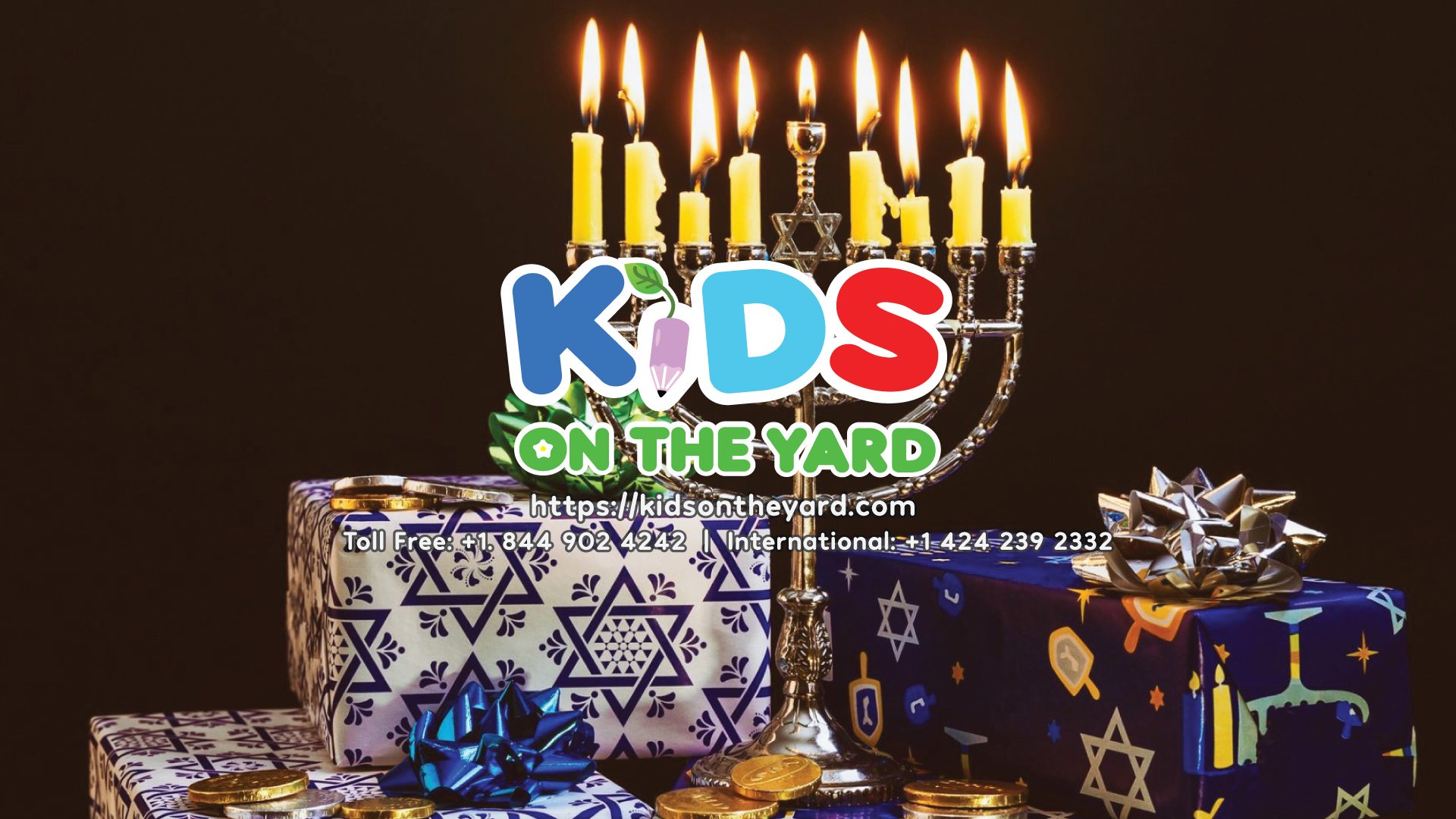
After reclaiming their land and the Second Temple in Jerusalem, the Jews found only enough pure oil to light the menorah for one day. Remarkably, this oil lasted eight days, allowing time to prepare more. This event forms the core of the Hanukkah celebration, symbolizing perseverance and faith against overwhelming odds.
Hanukkah commemorates not just the miraculous oil, but also the strength and courage of the Maccabees. Their struggle was both external and internal, as they fought to maintain Jewish traditions amid Hellenistic influences. The festival serves as a reminder of cultural identity and the pursuit of religious freedom.
The Maccabees and Religious Persecution
The Maccabees, led by Mattathias and Judah, faced the challenge of preserving Jewish traditions under threat. They confronted not only external oppressors but also internal conflicts, as some Jews had begun adopting Greek customs. This era was marked by intense pressure for assimilation, with the Maccabees standing firm in their belief that protecting their traditions was crucial for maintaining their identity.
Their story demonstrates the human spirit's ability to remain steadfast in pursuing religious and cultural autonomy. The Maccabees remind us that preserving one's identity often requires standing firm against both external pressures and internal divisions.
Miracles and Myths of Hanukkah
The story of the oil lasting eight days has become central to Hanukkah celebrations, though it wasn't initially the main focus. This legend, recorded in the Talmud, added spiritual significance to the historical events of the Maccabean Revolt and the Temple's rededication.
The oil miracle reinforces themes of faith and perseverance, providing a metaphorical light during dark times. It suggests that even when resources seem scarce, faith can sustain and illuminate the path forward. Over time, this story has become integral to Hanukkah, symbolizing resilience and the enduring strength of faith.
In Jewish culture, the story of the oil connects past, present, and future, reminding Jews worldwide of their shared heritage and resilience. Its integration into the tradition allows Hanukkah to commemorate both historical victory and ongoing spiritual renewal.
Hanukkah's Evolution and Modern Observance
Hanukkah has evolved from its historical origins into a contemporary celebration that blends traditional and modern elements. In the United States, where it coincides with the holiday season, Hanukkah has gained prominence as a visible expression of Jewish identity.
Modern observances reflect cultural adaptation, including practices like gift-giving that align with broader American holiday traditions. Popular culture has played a role in shaping Hanukkah's modern observance, increasing its recognition and integration into shared cultural dialogues.
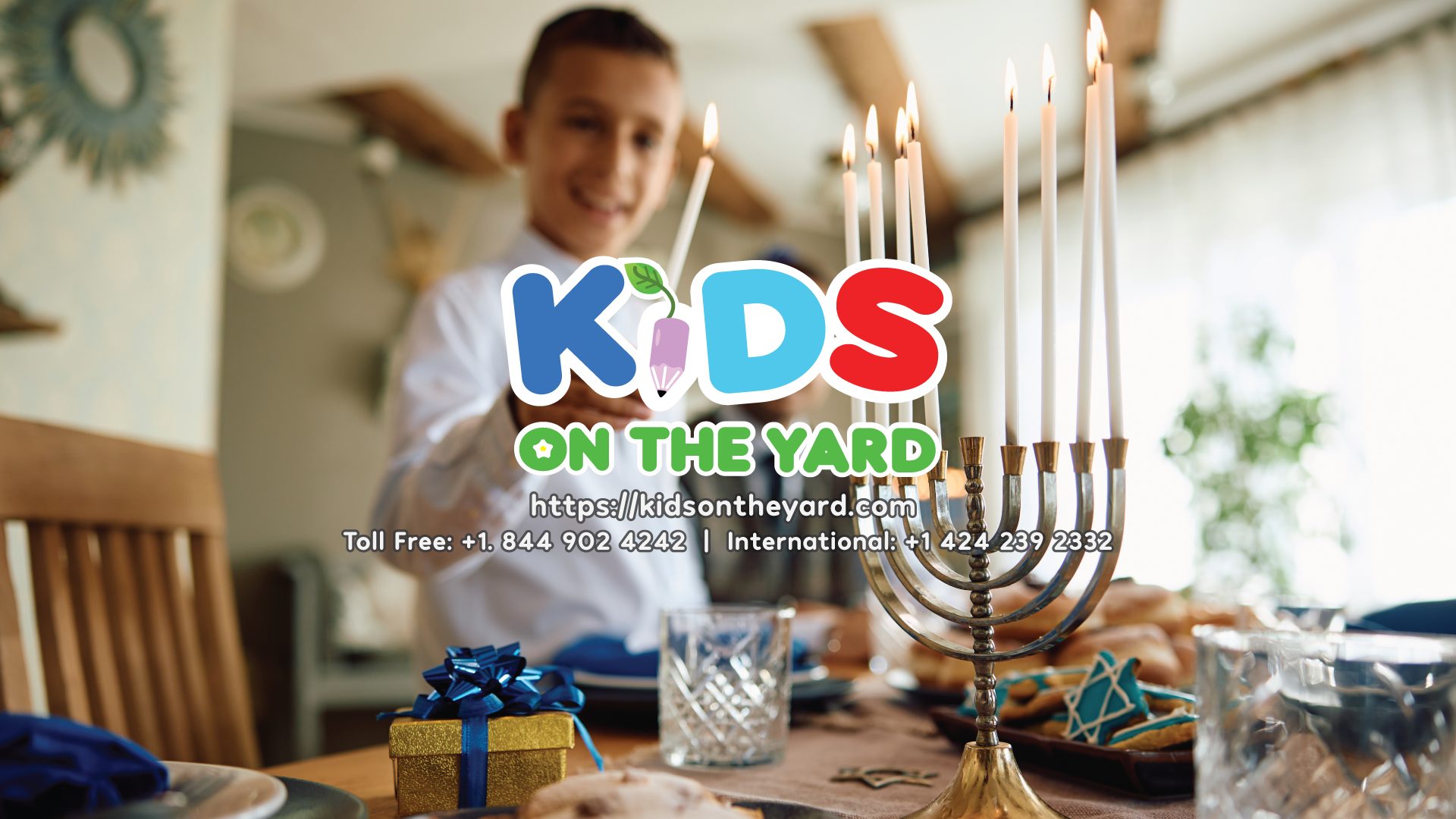
Public displays of menorahs in parks and city squares represent broader cultural acceptance and pride in Jewish identity. These communal celebrations reinforce the festival's themes of light and perseverance.
Despite these changes, the essence of Hanukkah remains intact. The story of the Maccabees, the miraculous oil, and the triumph over oppression continue to resonate deeply within Jewish communities, serving as a reminder of the enduring fight for religious freedom and identity.
Hanukkah stands as a testament to resilience and faith, embodying the enduring spirit of cultural identity. Its story, from historical roots to modern observance, continues to inspire and illuminate paths for generations, reminding us of the strength found in unity and perseverance.
- Schiffman LH. From Text to Tradition: A History of Second Temple and Rabbinic Judaism. Ktav Publishing House; 1991.
- Sicker M. Between Man and God: Issues in Judaic Thought. Greenwood Publishing Group; 2001.
- Telushkin J. Jewish Literacy: The Most Important Things to Know About the Jewish Religion, Its People, and Its History. William Morrow; 2008.
Frequently Asked Questions
Content Disclaimer
The content published on this page is for general educational and informational purposes only. Articles, opinions, and recommendations shared by authors, contributors, parents, educators, students, and professionals reflect their own views and experiences and do not necessarily represent the positions, strategies, or opinions of Kids on the Yard.
Kids on the Yard does not endorse or recommend any specific medical treatments, therapies, vaccines, medications, curricula, educational products, or instructional methods mentioned in this or any article. Any health-related information is provided for awareness only and should not be used as a basis for diagnosis, treatment, or medical decisions. Always consult a qualified healthcare provider for medical concerns.
Educational opinions, curriculum reviews, and teaching strategies discussed in articles are general in nature. Parents and guardians are solely responsible for evaluating and selecting educational approaches appropriate for their children.
Nothing in this article constitutes legal, financial, medical, or other professional advice. For specific guidance in any of these areas, please consult an appropriately licensed professional.
Kids on the Yard assumes no liability for actions taken based on the content of any article.
Related Articles
Illuminating Holiday Histories: Exploring Christmas, Hanukkah, and Kwanzaa
Uncover the vibrant stories behind Christmas, Hanukkah, and Kwanzaa. These celebrations foster a deeper appreciation for cultural diversity and commun...