A Kid's Guide to Hanukkah: 3 Essentials for Celebrating the Festival of Lights
Explore three essential ways for kids to celebrate Hanukkah, from lighting the menorah to playing dreidel games. Build connections and create cherished memories
1. Lighting the Menorah
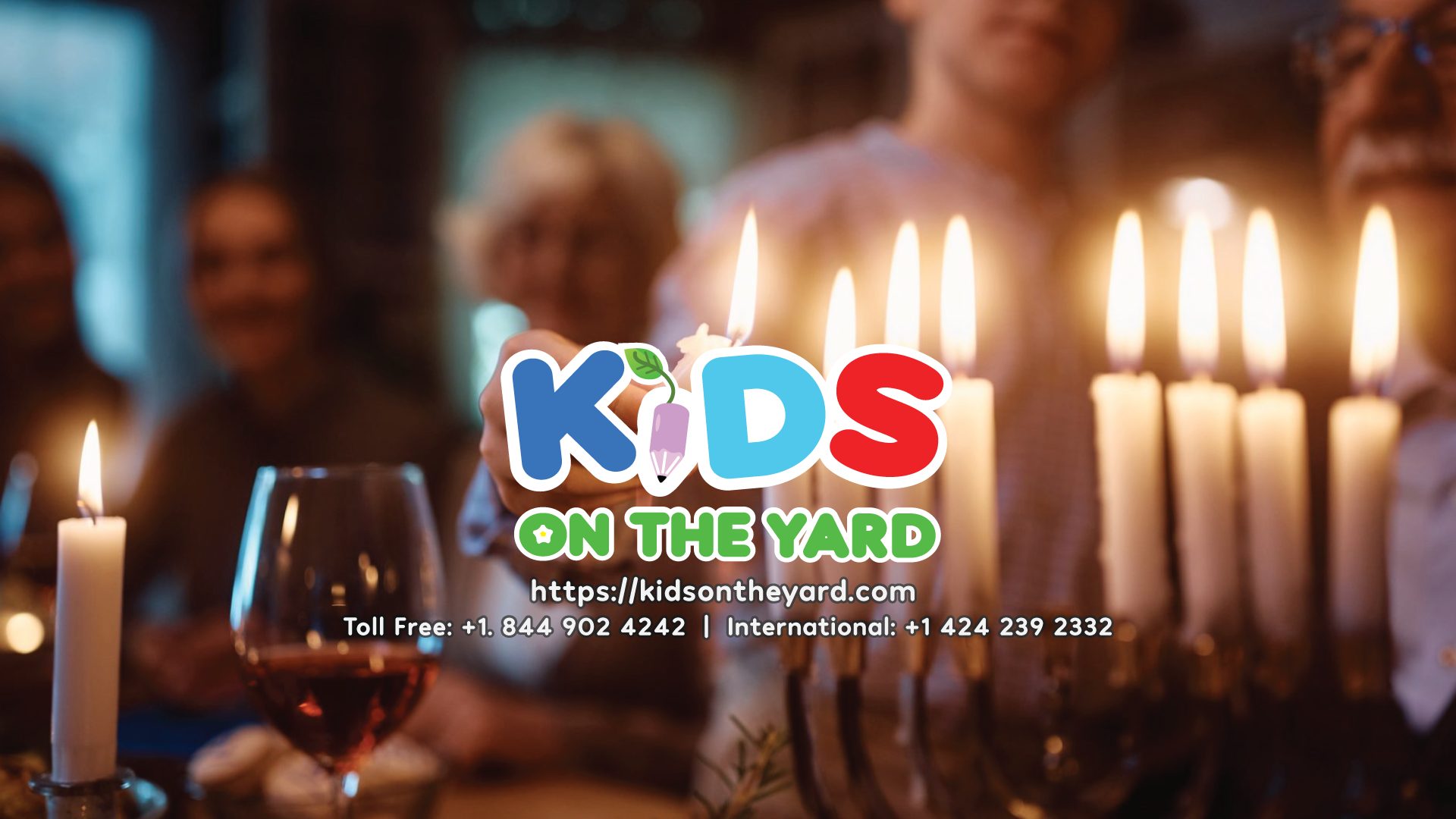
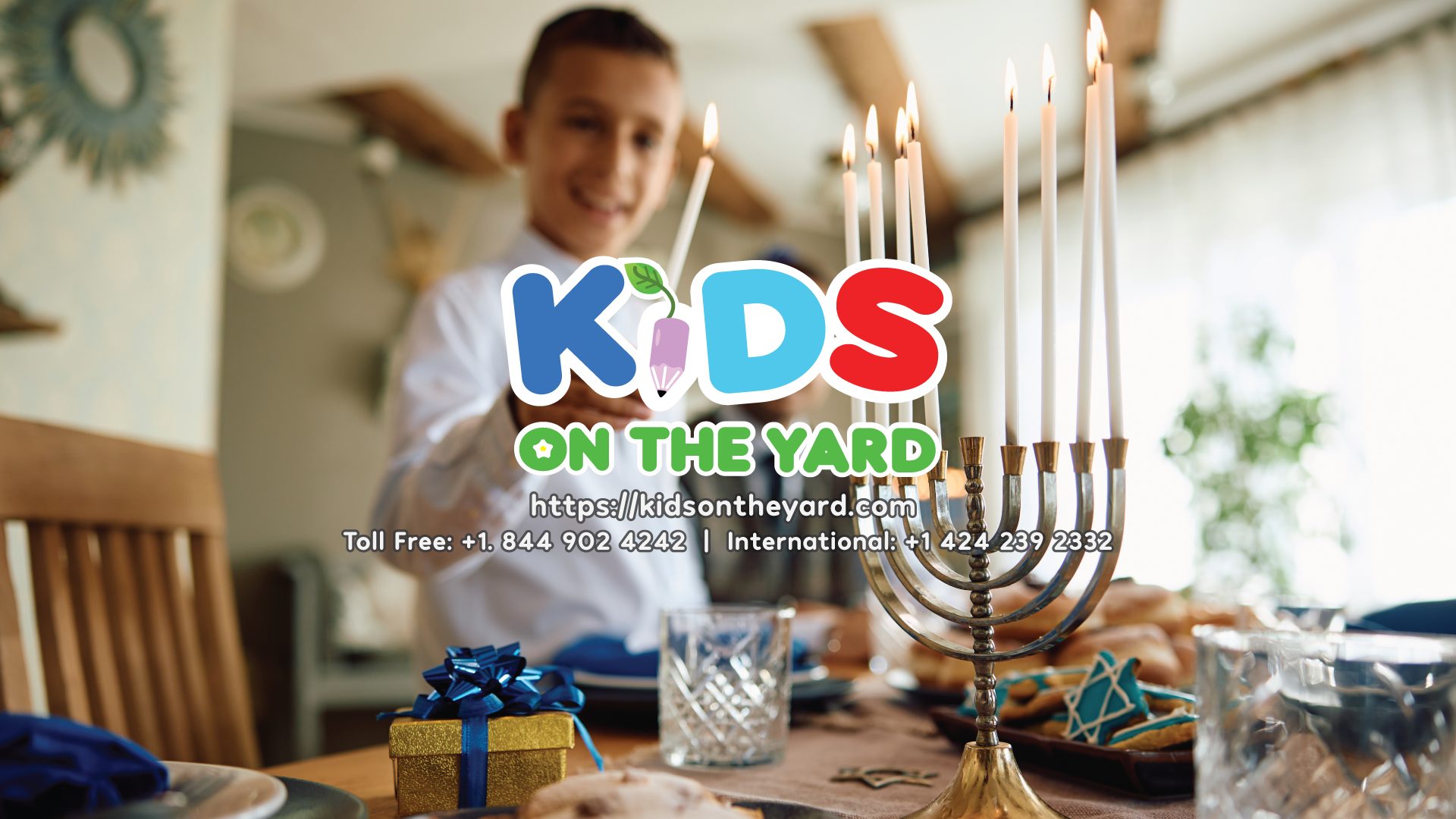
The menorah takes center stage during Hanukkah, embodying the festival's essence of light and tradition. For children, learning about this ritual is a step towards understanding their heritage. The menorah holds nine candles:
- Eight for Hanukkah's nights
- One shamash, the helper candle used to light the others
As evening approaches, families gather around the menorah. Each night, a new candle is added from right to left, but lit from left to right. This practice teaches children not just the 'how' but the 'why' of tradition, fostering a sense of belonging.
Reciting blessings is a key part of the ritual. These words connect past to present, speaking of miracles and faith. For children, the blessings become stories that spark imagination. As the menorah's glow warms the room, it also warms hearts, imparting timeless lessons of enduring spirit.
Through gentle guidance, children learn how to light the menorah, creating lasting memories and welcoming them into Jewish tradition.
2. Dreidel Games
Dreidel games bring joy and laughter, creating cherished memories during Hanukkah. The dreidel, a four-sided spinning top, bears Hebrew letters representing "A great miracle happened there," reminding players of the Hanukkah story.
The game is simple yet captivating. Players gather with coins or candies as game pieces, each contributing to the pot. The dreidel is spun, and the outcome depends on which letter lands face-up:
- Nun: Nothing happens
- Gimel: Take the entire pot
- Hei: Take half the pot
- Shin: Add to the pot
Beyond fun, the dreidel game carries historical significance. It once served as a clever disguise for secret study when Jewish practices were forbidden, symbolizing resilience and ingenuity.
Through play, children learn lessons of generosity, patience, and luck. Dreidel games offer moments of joy and togetherness, allowing families to celebrate while preserving cultural traditions. As children participate, they become part of a practice that has thrived for centuries, blending enjoyment with cultural significance.
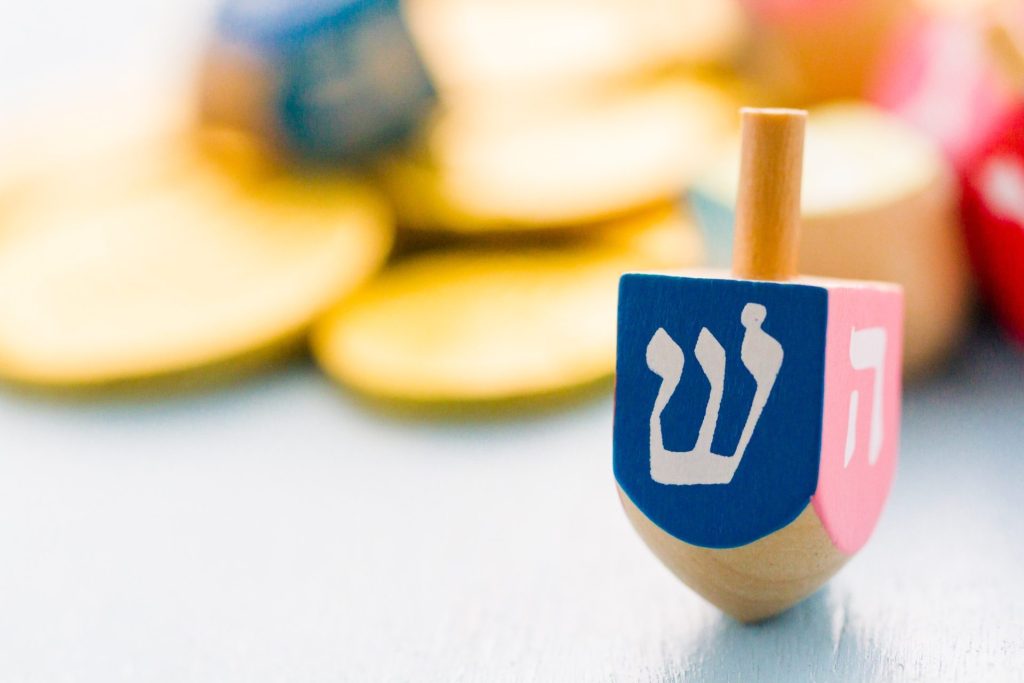
Dreidel games bring joy and laughter, creating cherished memories during Hanukkah.
3. Basic Jewish Traditions
Hanukkah traditions bring families together, connecting them with their history and culture. Food plays a central role, with two popular treats:
- Latkes: Crispy potato pancakes
- Sufganiyot: Jelly-filled doughnuts
Both are fried in oil, honoring the miracle of the oil that burned for eight nights in the ancient Temple.
As homes fill with the aroma of these foods, families share stories and create new memories. Traditional songs like "Maoz Tzur" and "Sevivon Sov Sov Sov" add to the festive atmosphere, inviting everyone to join in and feel connected to their heritage.
Family gatherings become a time for storytelling, where tales of the Maccabees' bravery mix with personal family anecdotes. These moments help children understand their place within their cultural heritage, seeing themselves as both recipients and carriers of tradition.
In the warm glow of candlelight, children ask questions about their history and identity. Through the flavors of festive foods, melodies of ancient songs, and stories shared with love, they find a sense of belonging. Hanukkah thus becomes not just a festival of lights, but a celebration of togetherness, where various traditions come together to create lasting memories and a strong sense of cultural identity.
Hanukkah is a celebration of light, unity, and tradition. It serves as a reminder of the enduring spirit and shared heritage that connects generations. Through rituals like lighting the menorah, playing dreidel games, and enjoying festive foods, families create lasting memories while imparting cultural values to younger members. These traditions are more than mere customs; they are vibrant elements in the pattern of Jewish history, offering warmth and belonging to all who partake.
- The Jewish Education Project. Hanukkah Resources for Educators.
- National Library of Israel. Chanukah/Hanukkah Customs.
- Hadar. Hanukkah Resources for Adults and Children.
- Jewish Federation of Greater Philadelphia. Hanukkah Events in Philadelphia.
Frequently Asked Questions
Tags
Content Disclaimer
The content published on this page is for general educational and informational purposes only. Articles, opinions, and recommendations shared by authors, contributors, parents, educators, students, and professionals reflect their own views and experiences and do not necessarily represent the positions, strategies, or opinions of Kids on the Yard.
Kids on the Yard does not endorse or recommend any specific medical treatments, therapies, vaccines, medications, curricula, educational products, or instructional methods mentioned in this or any article. Any health-related information is provided for awareness only and should not be used as a basis for diagnosis, treatment, or medical decisions. Always consult a qualified healthcare provider for medical concerns.
Educational opinions, curriculum reviews, and teaching strategies discussed in articles are general in nature. Parents and guardians are solely responsible for evaluating and selecting educational approaches appropriate for their children.
Nothing in this article constitutes legal, financial, medical, or other professional advice. For specific guidance in any of these areas, please consult an appropriately licensed professional.
Kids on the Yard assumes no liability for actions taken based on the content of any article.
Related Articles
Illuminating Holiday Histories: Exploring Christmas, Hanukkah, and Kwanzaa
Uncover the vibrant stories behind Christmas, Hanukkah, and Kwanzaa. These celebrations foster a deeper appreciation for cultural diversity and commun...