STEM Education: Proven Benefits and Impact on Future Careers
STEM education is essential in preparing kids for future careers. Discover its benefits and how tutoring can provide a solid foundation for your child's success
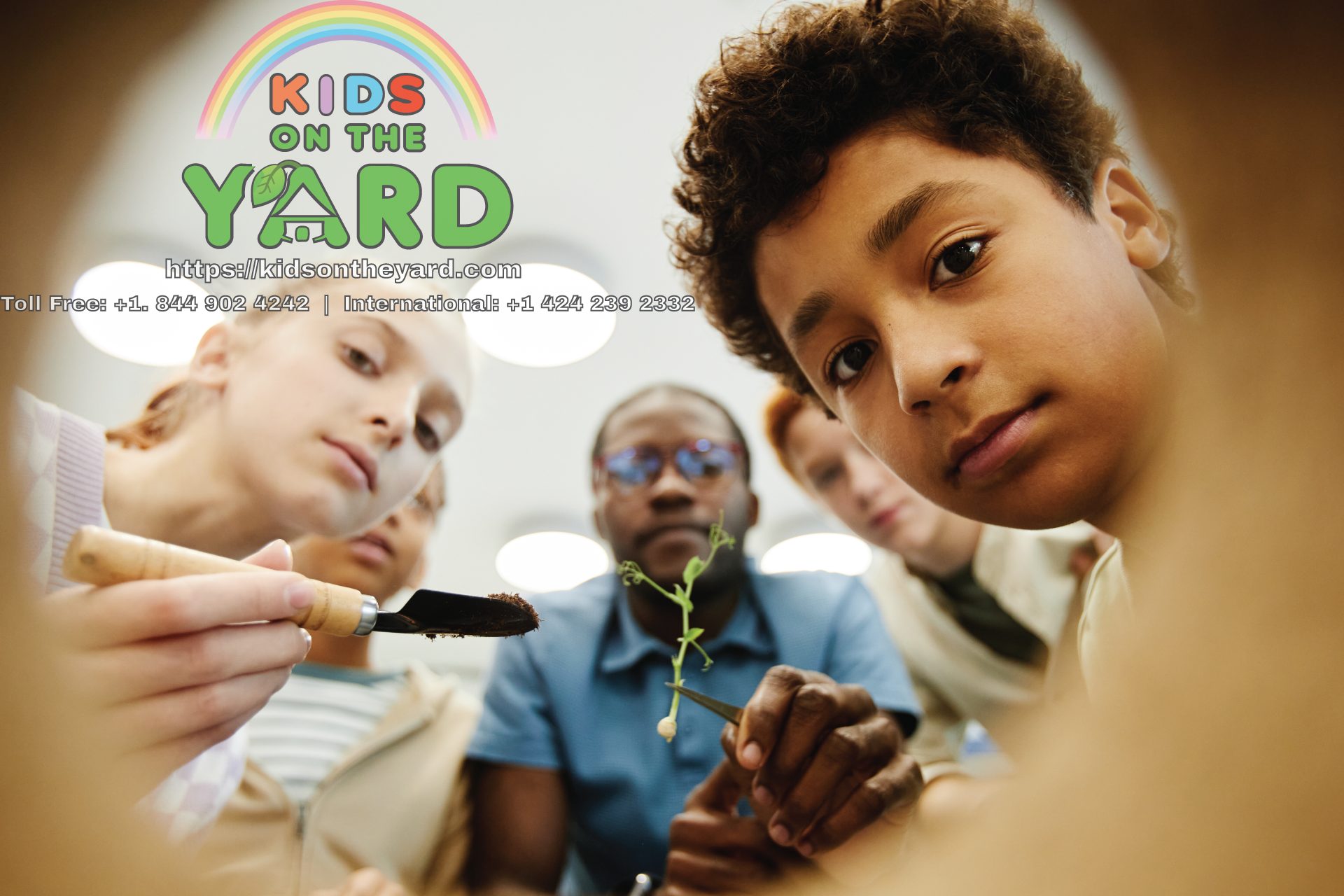
STEM education—Science, Technology, Engineering, and Mathematics—is a crucial component in today's educational landscape. It shapes future innovators, drives economic growth, and addresses global challenges. By nurturing critical thinking and problem-solving skills from an early age, STEM education equips students with the tools they need to succeed in an interconnected world.
The Importance of STEM Education
STEM education is pivotal in shaping the future, driving innovation, and anchoring economic prosperity. According to the U.S. Department of Commerce, job growth in STEM fields is significant compared to non-STEM sectors, with STEM occupations growing at 24% compared to 4% for other occupations.
STEM professionals typically earn higher incomes and play vital roles in solving pressing global challenges. The skills nurtured through STEM education—critical thinking, scientific literacy, and problem-solving—are essential for individual success and collective growth of communities and industries.
Despite the growing importance of STEM, there's a gap between interest and career aspirations. A MilliporeSigma survey found that:
- Nearly two in three middle school students have considered STEM careers
- 48% can't envision themselves as scientists
- Over three in five parents admit they'd discourage their child from pursuing STEM
This highlights the need to bridge the gap between curiosity and professional aspiration by educating students and parents about STEM career opportunities.
Initiatives like the Biden-Harris Administration's STEM Excellence for All Students emphasize ensuring equitable, high-quality STEM education from PreK to higher education. Such efforts are crucial for positioning the U.S. as a global leader in STEM and preparing youth to address 21st-century challenges.
Programs like UTSA's Biomedical Engineering Superheroes highlight the dual impact of STEM education on individual growth and societal progress. By targeting underserved communities and focusing on critical health issues, such initiatives demonstrate the transformative potential when academia and society converge in STEM education.
Benefits of Hands-On STEM Learning
Hands-on STEM learning engages students in a way that traditional classroom methods can't match. When students participate in engineering challenges, coding exercises, and other practical activities, they move from passive learning to active exploration.
Consider an engineering challenge where students build a simple machine using everyday materials. This activity invites creativity, critical thinking, and problem-solving. As they tinker with design and materials, they develop an understanding of fundamental principles in physics and engineering.
Coding exercises transform classrooms into hubs of algorithmic thinking and computational creativity. By experimenting with coding languages and tackling programming problems, students shift from consumers of technology to creators. They learn logical structuring, debugging, and the intricacies of computer science while nurturing their problem-solving abilities.
Key benefits of hands-on STEM learning include:
- Cultivating innovative thinking
- Teaching resilience and persistence
- Bridging the gap between theory and practice
- Making learning engaging and relevant
- Developing critical life skills (teamwork, communication, leadership)
- Preparing students for a world of constant technological advancement
In a world where technology and innovation are constantly advancing, students equipped with firsthand STEM experiences are better prepared to contribute meaningfully. The thrill of creating, testing, and perfecting their ideas cultivates a mindset geared toward lifelong learning and curiosity.
Addressing Disparities and Promoting Inclusion
Promoting diversity and inclusion within STEM fields is essential for bolstering innovation and global competitiveness. Unfortunately, there's a significant underrepresentation of women and minorities in STEM, stemming from social, economic, and educational disparities. Addressing these disparities can transform lives and empower underrepresented groups to play crucial roles in driving the future of technology, science, and engineering.
Various initiatives are addressing these disparities:
- Girls Who Code: Aims to close the gender gap in technology
- Black Girls Code: Provides mentorship and resources to minorities
- Latinas in STEM: Fosters supportive communities for young Latina girls
- UTSA Biomedical Engineering Superheroes: Targets underserved communities, blending health science education with real-world medical applications
Parental and community engagement is vital in promoting STEM education among underrepresented groups. Educators and community leaders must work to educate parents about the opportunities within STEM, dispelling myths and showcasing success stories of individuals from similar backgrounds.
Communities can create inclusive environments that nurture STEM talent by organizing events like STEM fairs, hackathons, and coding boot camps. These events provide platforms for students to showcase their skills and connect with mentors who can guide their educational and career trajectories.
Increasing diversity in STEM has profound implications:
- Diverse perspectives foster innovation
- Unique problem-solving approaches increase the potential for breakthroughs
- A diverse STEM workforce creates technologies addressing varied global needs
- Nations leveraging diverse populations gain economic competitiveness
Addressing disparities and promoting inclusion within STEM education requires collaboration among educators, parents, communities, and policymakers. By creating supportive environments, providing targeted programs, and fostering awareness of diverse opportunities within STEM fields, we can ensure that every student has the chance to become a future innovator and problem solver.
Practical Strategies for Fostering STEM Interest
Nurturing a deep interest in STEM from an early age requires intentional strategies that bring science, technology, engineering, and mathematics to life. Both parents and educators can play pivotal roles in this journey.
Key Strategies:
- Hands-on exploration: Allow children to engage directly with STEM activities.
- Integrate STEM into daily life: Encourage observation, questioning, and experimentation.
- Technology integration: Use age-appropriate tech tools to teach coding and computer science.
- Structured learning programs: Participate in programs like Engineering For Kids.
- Create supportive environments: Celebrate curiosity and view failure as a learning opportunity.
- Organize STEM events: Participate in fairs, competitions, and camps.
- Highlight diverse role models: Share stories of scientists and innovators from various backgrounds.
- Collaborate with community: Partner with local businesses and organizations for resources and support.
Everyday activities can become STEM learning opportunities. For example, cooking can teach chemistry and mathematics by measuring ingredients and observing chemical reactions. Building structures with blocks introduces concepts of engineering and physics.
"The best way to predict the future is to create it." - Alan Kay
This quote encapsulates the essence of STEM education – empowering students to shape their future through knowledge and innovation.
By combining these strategies, we can cultivate a generation of passionate and capable STEM professionals who are prepared to drive innovation and address future challenges.
In summary, fostering a strong foundation in STEM is about empowering the next generation of thinkers and problem solvers. By investing in hands-on learning experiences and promoting inclusion within these fields, we can create a brighter future for all.
- U.S. Department of Commerce. STEM Jobs: 2017 Update. Economics and Statistics Administration Office of the Chief Economist. 2017.
- MilliporeSigma. The State of Science Index Survey. 2019.
- National Science Foundation. Women, Minorities, and Persons with Disabilities in Science and Engineering. 2021.
- Kay A. The best way to predict the future is to invent it. Stanford Engineering. 1971.
Frequently Asked Questions
Tags
Content Disclaimer
The content published on this page is for general educational and informational purposes only. Articles, opinions, and recommendations shared by authors, contributors, parents, educators, students, and professionals reflect their own views and experiences and do not necessarily represent the positions, strategies, or opinions of Kids on the Yard.
Kids on the Yard does not endorse or recommend any specific medical treatments, therapies, vaccines, medications, curricula, educational products, or instructional methods mentioned in this or any article. Any health-related information is provided for awareness only and should not be used as a basis for diagnosis, treatment, or medical decisions. Always consult a qualified healthcare provider for medical concerns.
Educational opinions, curriculum reviews, and teaching strategies discussed in articles are general in nature. Parents and guardians are solely responsible for evaluating and selecting educational approaches appropriate for their children.
Nothing in this article constitutes legal, financial, medical, or other professional advice. For specific guidance in any of these areas, please consult an appropriately licensed professional.
Kids on the Yard assumes no liability for actions taken based on the content of any article.
Related Articles

How to Make STEM Activities Fun and Exciting for Kids: Fun and Educational Experiments
Discover fun STEM activities that captivate kids while teaching essential skills. Engage their minds with hands-on experiments that make learning enjo...