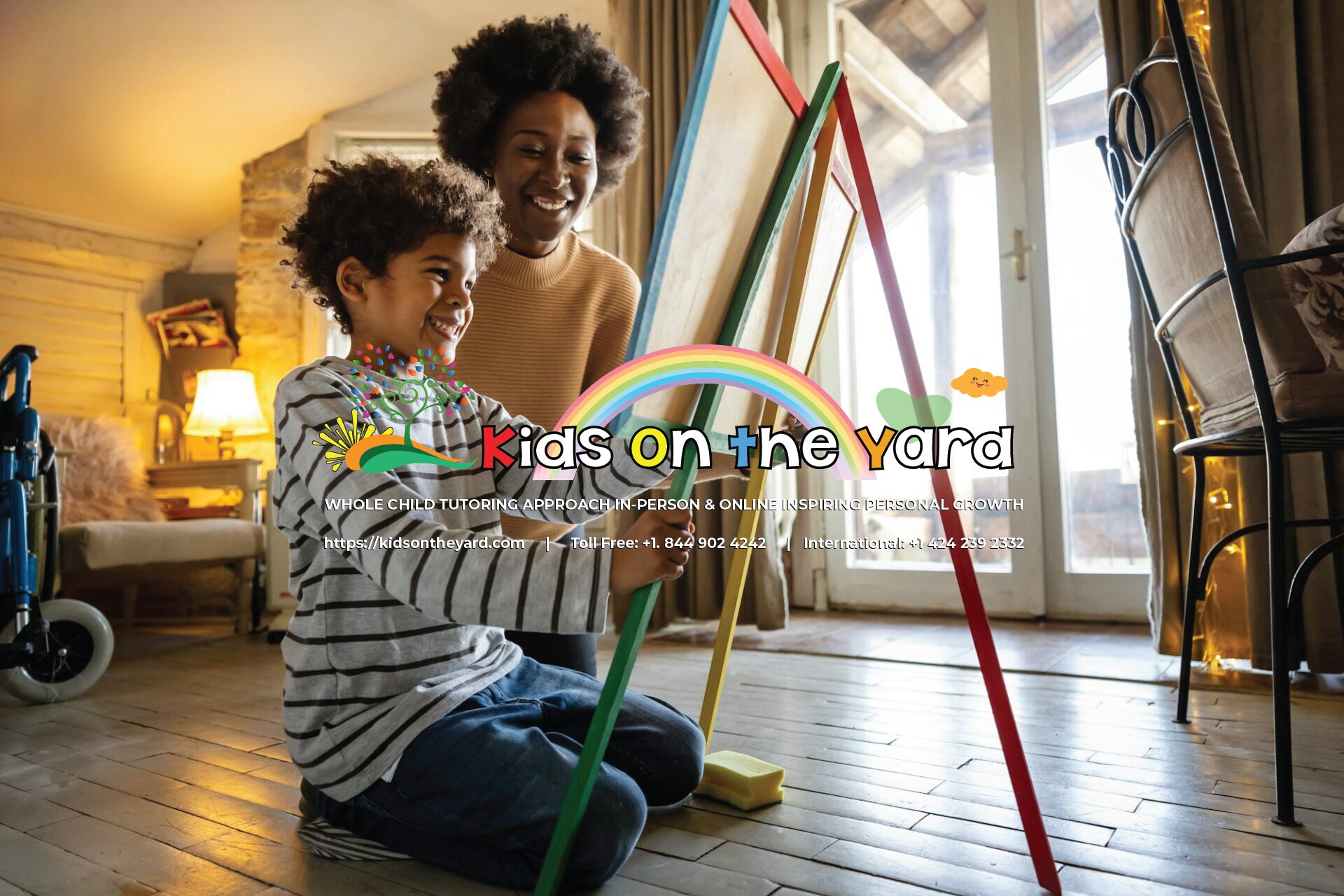
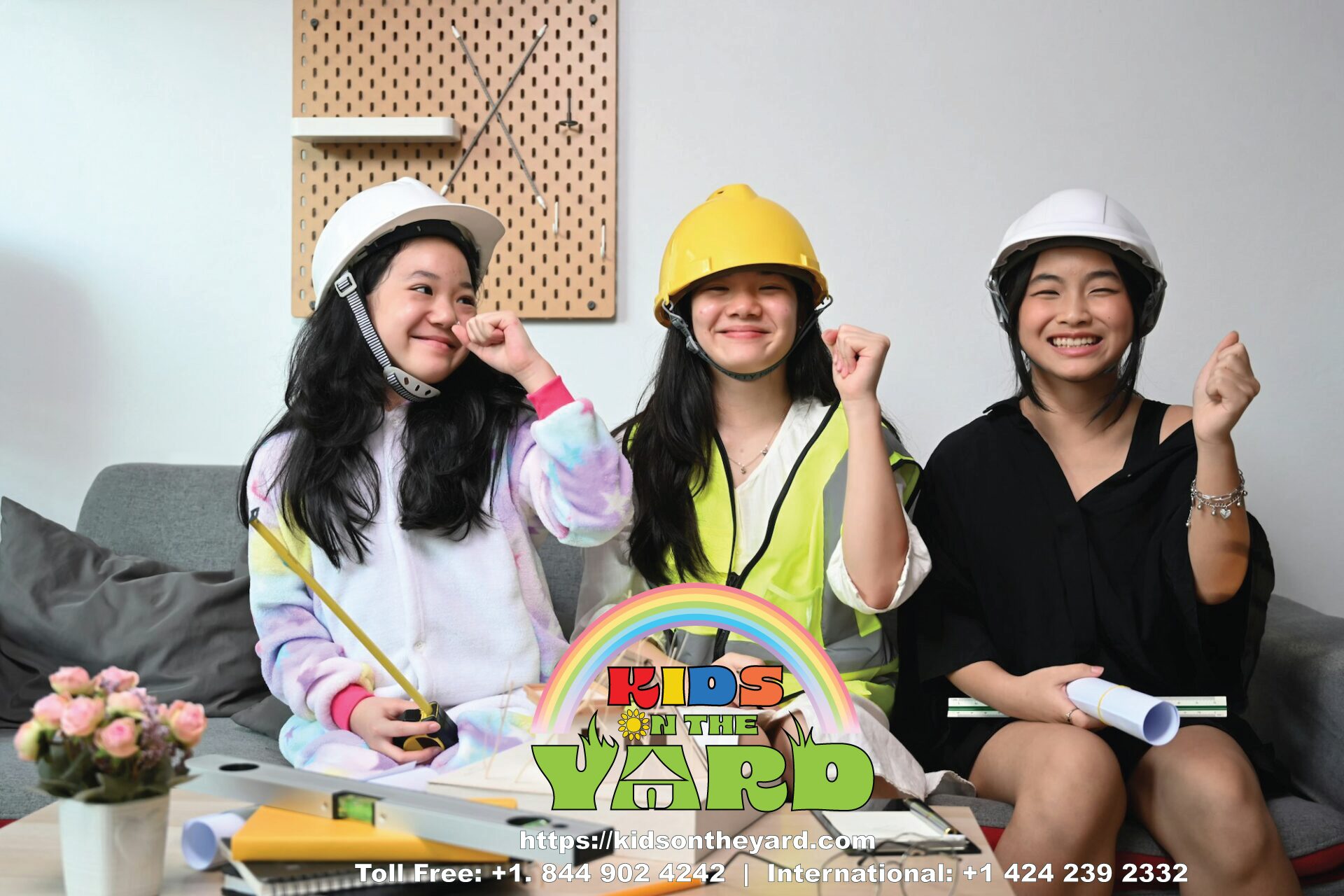
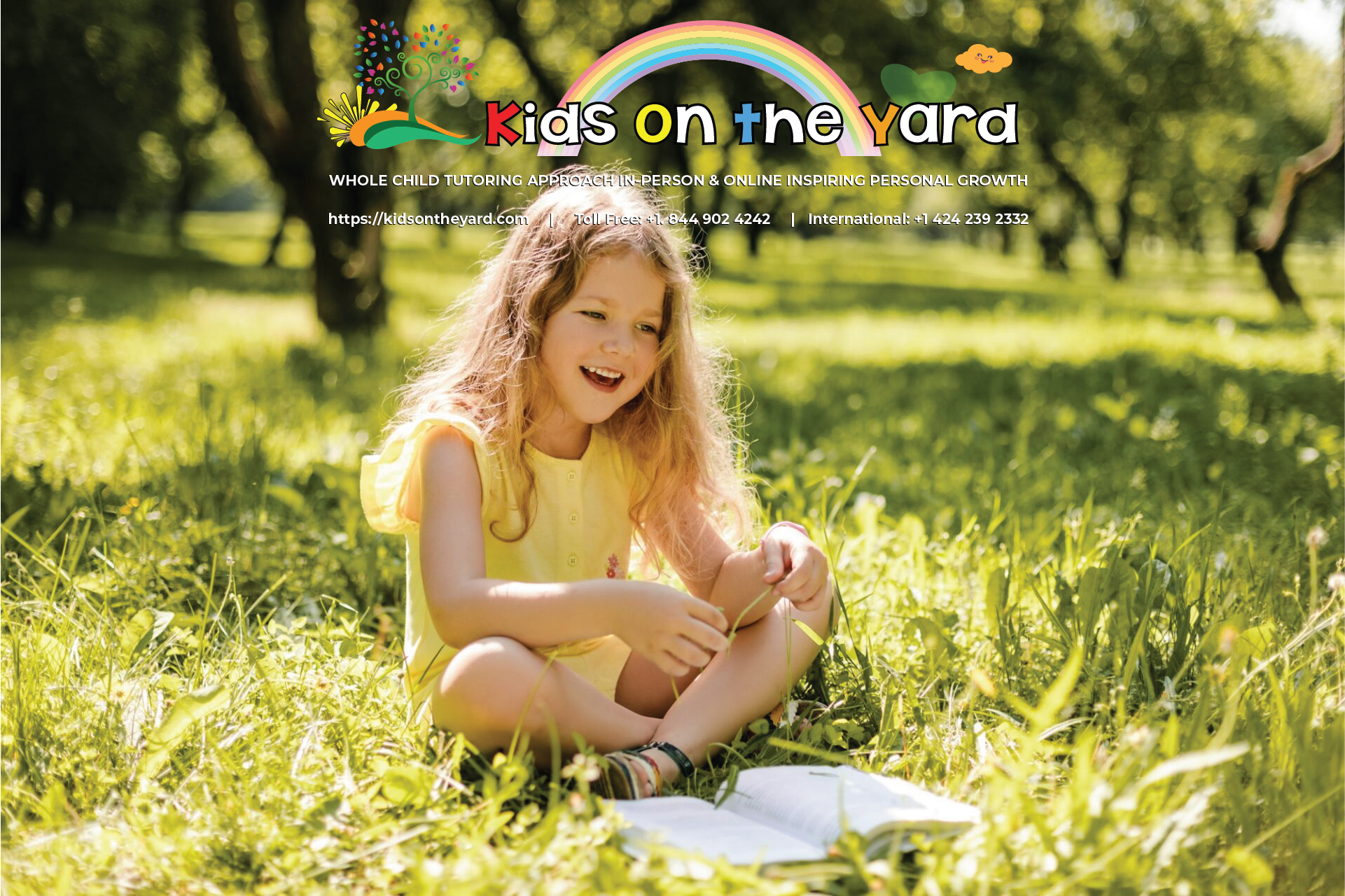
“Children learn as they play. More Importantly, In play, chIldren learn how to learn.”
-O. Fred Donaldson
Play is crucial for early childhood development, shaping young minds in ways traditional learning methods might not. From cognitive growth to social skills, playing offers numerous benefits that can establish a foundation for lifelong learning and curiosity.
The Role of Play in Development
Play significantly influences the developmental growth of K-2 students across multiple domains. It's not just about having fun; play is a powerful tool that cultivates cognitive, social, and emotional skills. Children solving puzzles or building towers with blocks enhance their problem-solving abilities and spatial awareness.
Experts emphasize that play and learning aren't mutually exclusive. Playful activities can transform seemingly mundane tasks into intriguing challenges. For example, children managing a pretend ice cream shop learn basic math skills. They count play money, understand addition and subtraction, and learn about cooperation as they interact with peers. This hands-on learning is both effective and engaging.
Types of Play and Their Benefits:
Guided play: Offers unique advantages with more active participation from educators
Inquiry play: Allows children to explore interests with targeted questions
Free play: Lets children navigate social dynamics and build resilience independently
Role-playing: Fosters empathy and emotional intelligence
The benefits of play extend to emotional development. Engaging in various play activities helps children manage emotions and build confidence. Incorporating playful learning into the academic setting isn't just about recess but integrating it throughout the day. Multisensory activities ensure holistic learning. For example, singing a song about numbers can help with memorization and make learning less intimidating.
Research underscores how different types of play affect various learning areas. Free play nurtures creativity and emotional expression. In contrast, guided play structured around educational goals can boost specific academic skills. For instance, using game-based learning for numeracy or language can significantly impact cognitive skills development.
Play offers a multifaceted approach to learning. It seamlessly integrates educational content, making it both engaging and impactful. The balance between guided and free play ensures that children receive a well-rounded education that fosters creativity, critical thinking, and essential social skills.
Implementing Play-Based Learning
Integrating play into the curriculum requires creativity and intentionality. Educators can infuse play-based activities into various subjects, transforming traditional learning into an engaging, hands-on experience.
Play-Based Learning Across Subjects:
Language Arts: Storytelling sessions with puppets and props
Mathematics: 'Number Bingo' or classroom store with play money
Science: Hands-on experiments and inquiry-based projects
Social Studies: Role-play of historical events or cultural practices
Art and Music: Free access to art supplies and instrument experimentation
Educators are crucial in guiding play without stifling children's natural curiosity. They should create environments that encourage exploration and provide subtle nudges to steer learning. The balance between free and guided play is vital, ensuring that children experience both autonomy and structured skill development.
State and local policies are instrumental in supporting play-based learning. Some regions have legally mandated play-based approaches in early education, providing funding for resources and professional development for teachers.
"Creating play-friendly environments is key to success. Classrooms should be flexible and welcoming, with spaces dedicated to different types of play."
Outdoor play areas should be safe and enticing, filled with materials that encourage exploration and physical activity. This holistic approach to play-based learning ensures that children develop a love for learning that extends beyond the classroom walls.
Parent and Community Involvement
Parents and the community play crucial roles in enriching play-based learning, extending its benefits beyond the school. The collaboration between home, school, and community can create diverse experiences that foster holistic development in children.
Play-Based Learning at Home:
Dedicate specific times and spaces for unstructured play
Engage in imaginative play scenarios (e.g., pretend grocery store, 'space mission')
Integrate educational components into children's interests (e.g., cooking to teach math)
Create interactive reading sessions in a cozy reading nook
Parental involvement in play isn't just limited to structured activities; sometimes, it's about being a supportive observer. Allow your children the freedom to take the lead during play, offering guidance only when necessary. This approach nurtures independence and decision-making skills.
Community initiatives also play a pivotal role in broadening the horizons of play-based learning. Local libraries, community centers, and parks often host play-based events and workshops that provide children with opportunities to engage in different types of play.
Community Contributions to Play-Based Learning:
Volunteer-led programs offering structured play environments
Community gardens serving as living classrooms
School-community partnerships with local businesses and cultural institutions
Community playdates and neighborhood playgroups
Special events like outdoor family game nights or cultural fairs
These community-based initiatives not only enhance learning opportunities but also foster social connections and provide a supportive network for parents to share resources and ideas. By engaging both children and parents in collective fun and learning, these events create a rich tapestry of experiences that complement school-based play learning.
Challenges and Solutions in Play-Based Learning
Despite the clear benefits, incorporating play-based learning in early education settings faces significant challenges. One of the most prominent barriers is the persistent push for standardized testing and meeting academic benchmarks. This pressure often leads educators and policymakers to prioritize traditional, outcome-oriented methods over more holistic, play-based approaches.
Yet, evidence suggests that integrating play-based learning does not impede academic achievement—it often enhances it. For instance, Finland's education system, renowned for its minimal emphasis on standardized testing, demonstrates that play-based learning can coexist with high academic standards.1
Strategies to Overcome Challenges:
Advocate for balanced approaches recognizing the value of play
Provide ongoing professional development for educators
Engage school administrators and policymakers
Collaborate with parents through meetings and workshops
Create a play-positive school culture
Leverage technology wisely with age-appropriate educational games
One successful example is the "Tools of the Mind" program, which integrates play into daily learning activities, supporting self-regulation and academic skills simultaneously. Evaluations of this program have shown improvements in both social-emotional development and academic outcomes.2
Engagement from school administrators and policymakers is equally necessary. Supportive leadership can advocate for policies that allocate time and resources to play-based learning. This might involve revisiting school schedules to ensure sufficient time for play and reducing the emphasis on standardized tests in favor of a more comprehensive approach to assessment.
Through advocacy, professional development, supportive policies, and community engagement, schools can create environments where play is recognized as a fundamental component of early education. By doing so, we ensure that children are not only academically prepared but also nurtured in their social, emotional, and cognitive development.
Incorporating play into early education nurtures well-rounded individuals who are curious, resilient, and eager to learn. By embracing play-based learning, we lay down a path for children that leads to academic success and emotional and social well-being.
Sahlberg P. Finnish Lessons: What Can the World Learn from Educational Change in Finland? Teachers College Press; 2015.
Diamond A, Lee K. Interventions Shown to Aid Executive Function Development in Children 4 to 12 Years Old. Science. 2011;333(6045):959-964.
The content published on this page is for general educational and informational purposes only. Articles, opinions, and recommendations shared by authors, contributors, parents, educators, students, and professionals reflect their own views and experiences and do not necessarily represent the positions, strategies, or opinions of Kids on the Yard.
Kids on the Yard does not endorse or recommend any specific medical treatments, therapies, vaccines, medications, curricula, educational products, or instructional methods mentioned in this or any article. Any health-related information is provided for awareness only and should not be used as a basis for diagnosis, treatment, or medical decisions. Always consult a qualified healthcare provider for medical concerns.
Educational opinions, curriculum reviews, and teaching strategies discussed in articles are general in nature. Parents and guardians are solely responsible for evaluating and selecting educational approaches appropriate for their children.
Nothing in this article constitutes legal, financial, medical, or other professional advice. For specific guidance in any of these areas, please consult an appropriately licensed professional.
Kids on the Yard assumes no liability for actions taken based on the content of any article.