Parents Point of View 99 on Homework: How Does it Affect Students?
Discover the dual nature of homework's impact on students, with insights into its benefits and drawbacks. Get involved in your child’s educational journey today
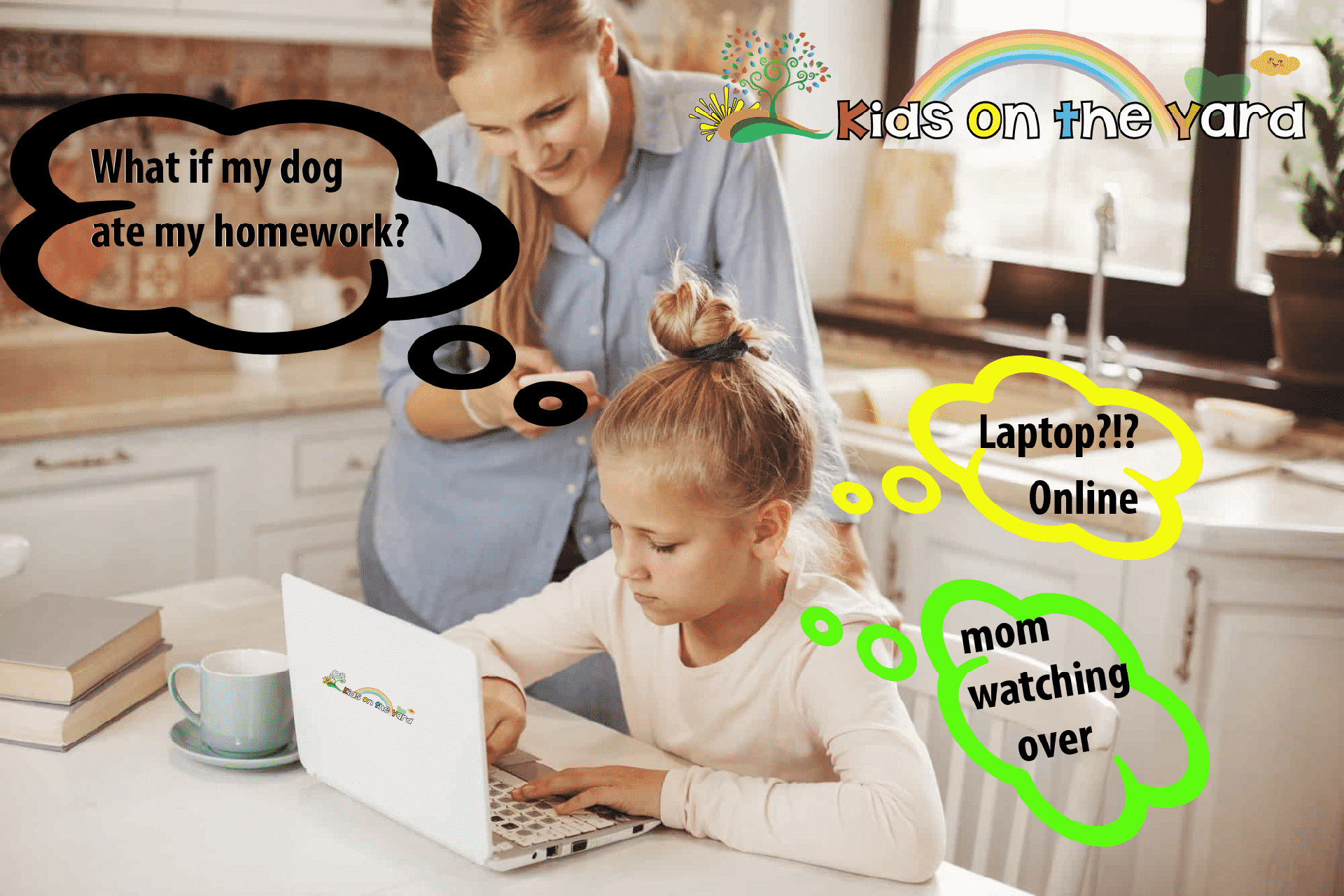
"The Dog ate my Homework!"- hmm yummy
Homework can be described as tasks assigned to students at school, which should be done at home or during non-school hours. Research shows that homework can have so many benefits to students, especially those in middle school and high school. It is nevertheless associated with several risks, especially when students spend too much time on it.
Positive Effects of Homework:
If conducted correctly, homework can be very beneficial to students. While younger kids may not gain much from homework, middle school and high school kids gain a lot from it. Some of the positive effects of homework include:
- It improves your child’s understanding and retention of information learned in class
- It helps students to revisit and revise content they learn early in the class.
- It boosts students' understanding since they have a clearer head and are away from school’s distractions.
- Homework provides an opportunity to participate in your child's learning
- It gives you an opportunity to notice your child's strengths
- It can also improve your child’s attitudes toward learning and improve their study skills.
- Lastly, Homework improves students’ responsibility and independence both in school and at home.
Negative Effects of Homework:
- Different research studies show that most students are given excess assignments that lead to unhealthy stress levels, health complications, e.g., headaches and sleep deprivation.
- Too much homework makes it hard for students to explore their hobbies and play their favorite games.
- Spending too much time doing homework can cause extreme fatigue, especially the younger ones.
- Children can also fail to develop or cultivate other important life skills, such as doing home chores.
- Excess homework can further lead to weight loss, poor eating habits, and hate for school.
- It can also deny students time to socialize with friends and family, increasing their feelings of isolation and stress.
Benefits of your Child Working with Friends:
Extracurricular activities like volunteer work and sports play a major role in improving your child's social life and engagement. Such activities allow them to share with friends, build their communication skills, refresh their minds and catch up on the latest news and trends. The same happens when children do study together. Homework is much fun and interesting when done together. Stress associated with homework significantly reduces by students sharing, interacting, and working with friends,
Too much homework, as we said earlier, keeps your child away from their friends. This leads to feelings of isolation that make it hard for them to express themselves. Working with friends develops your child’s communication skills and builds their confidence both in class and outside. It also relaxes their mind and makes homework bearable. Isolation during homework contributes to withdrawal, making it hard for them to ask for help, especially in class. Working with friends makes it possible for your child to share their strengths and weaknesses without fear and also causes them to be outgoing in all areas of their lives.
TAKEAWAY:
Homework tutors are a great support! Our Kids on the Yard State Certified Teachers help students to lower frustration and boost comprehension of their studies. They also help them learn how to apply new skills in their study—leading to higher scores and better performance in class overall. Importantly, they help your child to get rid of stress that accumulates during a homework session. Check one of our Homeworkhelp programs.
It only takes a moment to find out more details by meeting one of our Educational Team using a Call or SMS: Toll-Free USA: 844 902 4242 or for International: +1 850 848 4242.
Frequently Asked Questions
Content Disclaimer
The content published on this page is for general educational and informational purposes only. Articles, opinions, and recommendations shared by authors, contributors, parents, educators, students, and professionals reflect their own views and experiences and do not necessarily represent the positions, strategies, or opinions of Kids on the Yard.
Kids on the Yard does not endorse or recommend any specific medical treatments, therapies, vaccines, medications, curricula, educational products, or instructional methods mentioned in this or any article. Any health-related information is provided for awareness only and should not be used as a basis for diagnosis, treatment, or medical decisions. Always consult a qualified healthcare provider for medical concerns.
Educational opinions, curriculum reviews, and teaching strategies discussed in articles are general in nature. Parents and guardians are solely responsible for evaluating and selecting educational approaches appropriate for their children.
Nothing in this article constitutes legal, financial, medical, or other professional advice. For specific guidance in any of these areas, please consult an appropriately licensed professional.
Kids on the Yard assumes no liability for actions taken based on the content of any article.
Related Articles

Empowering Children with the Optimal School-Life Balance
Empower your child by helping them establish a balanced school-life routine. This guide offers practical strategies to foster their interests while ma...