How You Can Help Your Child With Dysgraphia Or Dyslexia To Enjoy Writing.
Dyslexia and dysgraphia are both neurological language difficulties that cause learning difficulties. While dyslexia predominantly affects reading, dysgraphia affects writing. Children with dyslexia have difficulty learning to read, spell and write.
Dyslexia and dysgraphia are both neurological language difficulties that cause learning difficulties. While dyslexia predominantly affects reading, dysgraphia affects writing. Children with dyslexia have difficulty learning to read, spell and write. On the other hand, children with dysgraphia have impaired handwriting and struggle to put words together in writing. Notably, the two conditions share a lot of symptoms and mainly occur together. Dysgraphia and Dyslexia learners greatly struggle to become organized, creative, and passionate writers.
We came up with the following FOUR strategies to help your special child love and enjoy writing.
Build their Confidence
Children with dysgraphia or dyslexia are more likely to feel unworthy and not good enough due to their limitations. You can do several things to improve your child's confidence in writing despite their learning disability. First, you should spend quality time with them as they practice writing. It would help if you also appreciated their effort in writing by publishing it and rewarding them regardless of its quality. Your child’s confidence in writing can grow if you utilize positive reinforcement on them. A hug, a smile, or a pat on the back are good examples of positive reinforcement.
Give Positive Feedback over Criticism
Correcting your child's spelling and grammar is crucial to help improve and strengthen their writing. However, it would help if you overlooked some of the mistakes made by your child with dyslexia or dysgraphia to reduce criticism levels. Take more time to identify and appreciate their creativity rather than just concentrating on their errors. Embrace their work always since you encourage them to write more, which will lead to increased grammatical improvement.
Encourage Drawing:
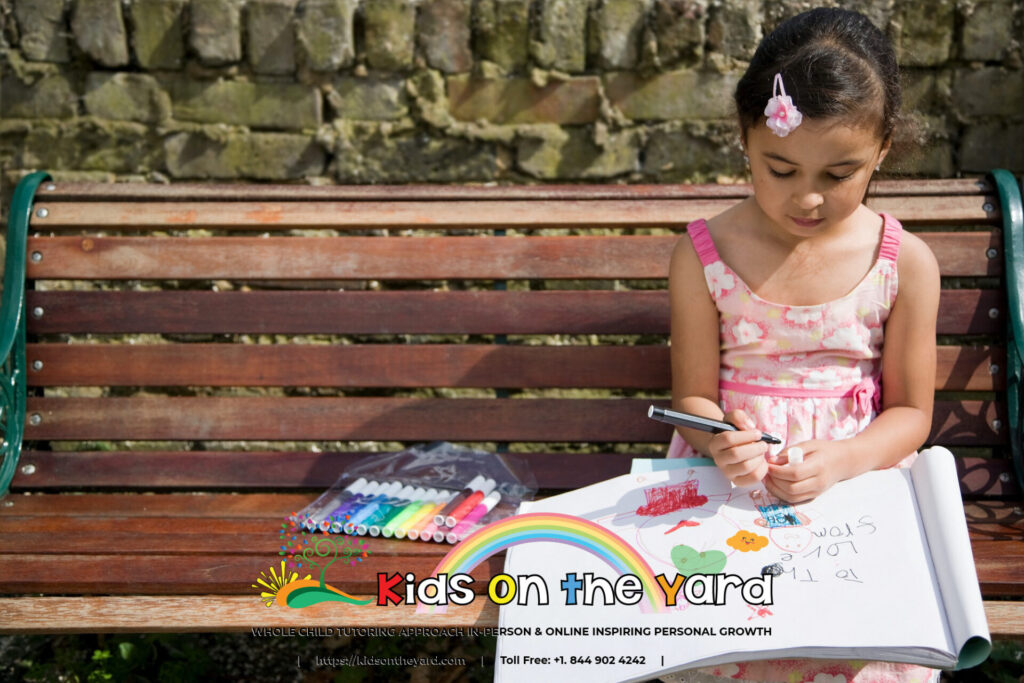
The desire to draw normally comes before the passion for writing. Also, creative writing goes hand-in-hand with withdrawing. While your child may have a problem with writing, they can successfully articulate their through in drawing. Drawing also boosts your child’s self-esteem and helps kids with learning differences to communicate effectively and express their thoughts in a manner that makes sense to them.
Improving your child’s creativity through art helps them develop their emotional and social intelligence. It encourages them to look at their education from a unique perspective. Art bridges the gap between well-abled and struggling kids and gives your child a chance to guide their learning experience. There is no right or no wrong way to teach art! Allow your child to explore their thoughts through drawing freely.
Encourage Copying:
Teach your child to copy text from different sources of writing. You can, for instance, provide words that you want your child to copy from a book or an online journal. In addition, you can use assistive technology to help your child improve their fine motor skills. You may also use scanning technology, AAC selection displays, and adapted keyboards to enhance your child's writing ability.
“Continuous effort - not strength or intelligence- is the key to unlocking our potential.
Winston Churchill
What's More?
It only takes a moment to find out more details by meeting one of our Educational Team using a Call or SMS: Toll-Free USA: 844 902 4242 or for International: +1 850 848 4242.
Frequently Asked Questions
References
Content Disclaimer
The content published on this page is for general educational and informational purposes only. Articles, opinions, and recommendations shared by authors, contributors, parents, educators, students, and professionals reflect their own views and experiences and do not necessarily represent the positions, strategies, or opinions of Kids on the Yard.
Kids on the Yard does not endorse or recommend any specific medical treatments, therapies, vaccines, medications, curricula, educational products, or instructional methods mentioned in this or any article. Any health-related information is provided for awareness only and should not be used as a basis for diagnosis, treatment, or medical decisions. Always consult a qualified healthcare provider for medical concerns.
Educational opinions, curriculum reviews, and teaching strategies discussed in articles are general in nature. Parents and guardians are solely responsible for evaluating and selecting educational approaches appropriate for their children.
Nothing in this article constitutes legal, financial, medical, or other professional advice. For specific guidance in any of these areas, please consult an appropriately licensed professional.
Kids on the Yard assumes no liability for actions taken based on the content of any article.
Related Articles
Strategies for Visual Learners THAT WORKS!
Strategies for Visual Learners a parentstudent tips that work! Who Is a Visual Learner? What Are the Traits of Visual Learners? How Do Visual Learners...