Hispanic Heritage Education: Important Historical Figures and Engaging Activities
Dive into the contributions of Hispanic Americans with engaging activities that enhance your child's understanding of history and culture.

Understanding the contributions of influential Hispanic Americans and their rich cultural heritage provides valuable insights into our shared history. From labor leaders to Supreme Court Justices, these figures have left an indelible mark on society. Engaging with their stories and traditions helps foster a deeper appreciation for the diverse influences that shape our community.
Read on to discover how Hispanic heritage has become an integral part of American culture and how we can use this month to celebrate the exchange of cultures.
Historical Contributions
Let's explore the historical contributions made by influential Hispanic Americans like Cesar Chavez, Dolores Huerta, and Sonia Sotomayor.
- Cesar Chavez: Cesar Chavez was a labor leader and civil rights activist who co-founded the National Farm Workers Association in the 1960s. He worked for better wages and working conditions for farmworkers through peaceful protests, strikes, and boycotts. Chavez's efforts led to significant improvements in the lives of many farmworkers and brought national attention to their plight.
- Dolores Huerta: Dolores Huerta co-founded the National Farm Workers Association with Cesar Chavez. An advocate for labor rights, she was integral to the success of the farmworkers' movement. Huerta's slogan "Sí, se puede!" (Yes, we can!) became iconic. She fought for workers' rights, women's rights, and immigration rights.
- Sonia Sotomayor: Sonia Sotomayor is the first Hispanic and Latina member of the U.S. Supreme Court. Appointed in 2009, her life story from growing up in a Puerto Rican community in New York to becoming a Supreme Court Justice is inspirational. Sotomayor has been an advocate for criminal justice reform and civil rights.
Activity: Mendez Family Discussion
- Have students watch a video about the Mendez family's efforts against school segregation.
- Grades K-3: Discuss the importance of the family's actions.
- Grades 4-5: Write a short research paper on the family's impact.
Activity: Learn About Dolores Huerta
- Research Dolores Huerta's work and her impact on U.S. society.
- Write an article as if they were reporters interviewing Huerta about her involvement in the Delano grape strike.
Activity: Exploring Chavez's Life
- Study Cesar Chavez's life and work.
- Answer questions and write responses about his contributions.
- Grades 6-12: Examine his role in the labor movement more closely.
These activities help students gain a deeper understanding of Hispanic American history and its impact on our society.
Cultural Contributions
Let's explore the cultural contributions of Hispanic artists, musicians, and authors. Listed below are just a few of the many Hispanic creatives that have left a mark on the world, paired with activities you can partake in to appreciate their talents.
Frida Kahlo
Frida Kahlo's vibrant artwork offers a window into her soul and Mexican culture. Her self-portraits and surreal paintings reflect her experiences and emotions.
Activity: Create Frida-Inspired Art
- View a collection of Frida Kahlo's paintings.
- Discuss her unique style and themes.
- Create self-portraits using bright colors and symbolic elements.
Tito Puente
Tito Puente, the "King of Latin Music," brought Afro-Cuban and Caribbean sounds to the forefront of the music industry.
Activity: Learn Basic Rhythms
- Introduce students to Tito Puente's music and contributions.
- Teach basic rhythms using simple instruments or clapping.
- Let students create a rhythmic composition inspired by Tito's style.
Sandra Cisneros
Sandra Cisneros is an acclaimed Mexican-American author who explores themes of identity, culture, and the experiences of Hispanic women in America.
Activity: Read and Discuss "Esperanza Rising"
- Read "Esperanza Rising" by Pam Muñoz Ryan.
- Discuss the book's themes of perseverance, culture, and family.
- Encourage students to write reflections or create short stories inspired by their experiences.
Art and Music Festival Project
Organize a class festival showcasing Frida Kahlo-inspired art, Tito Puente-inspired rhythms, and readings from Hispanic authors.
These activities help students connect with and appreciate Hispanic cultural contributions.
Diversity and Celebrations
Let's explore Hispanic festivals and traditions.
Dia de los Muertos (Day of the Dead)
Dia de los Muertos, celebrated on November 1st and 2nd, is a Mexican holiday honoring deceased loved ones.
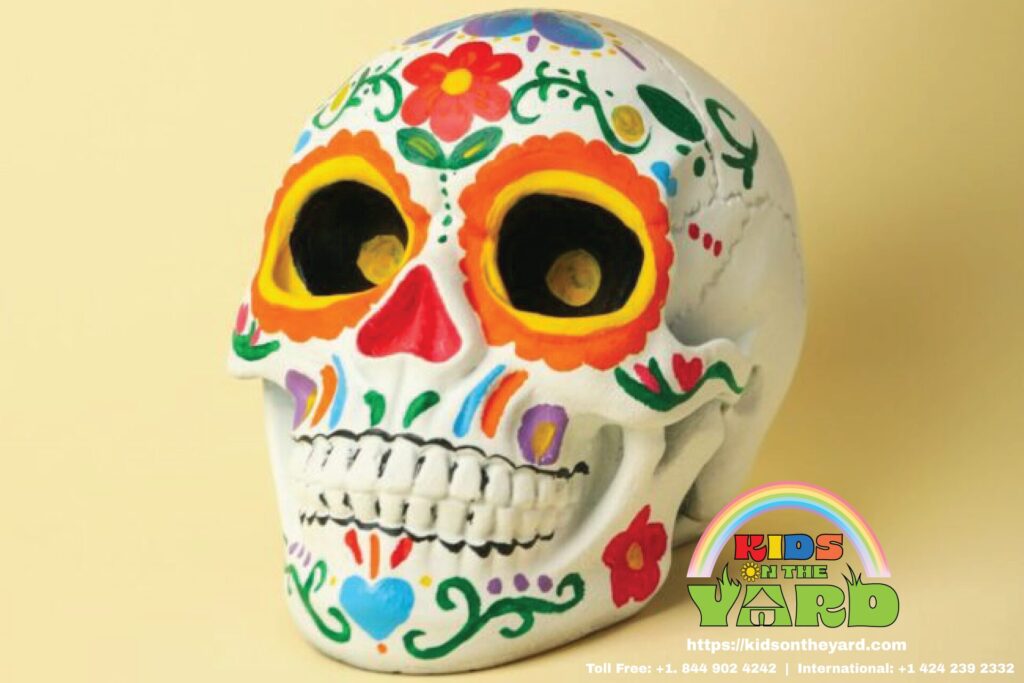
Activity: Create Calaveras (Skull Art)
- Discuss the significance of sugar skulls in Dia de los Muertos.
- Decorate paper skulls with colorful designs and patterns.
- Share stories about ancestors or important Hispanic historical figures.
Cinco de Mayo
Cinco de Mayo commemorates the Mexican army's victory over French forces at the Battle of Puebla on May 5, 1862.
Activity: Mexican Flag Craft
- Teach students about the history of Cinco de Mayo.
- Create Mexican flags using construction paper and craft materials.
- Host a mini parade where students wave their flags and discuss what they learned.
Common Spanish Phrases and Words
Learning common Spanish phrases can help students connect with Hispanic culture.
Activity: Spanish Learning Chart
- Create a chart with simple Spanish phrases and festival-related terms.
- Practice these phrases daily, incorporating them into classroom routines.
Storytelling Sessions
Storytelling is a powerful way to share and preserve cultural heritage.
Activity: Heritage Stories Circle
- Organize a storytelling circle for students to share stories about their family's Hispanic heritage or a famous Hispanic figure.
- Encourage students to bring photos, artifacts, or traditional attire.
- Discuss the cultural significance of each story.
These activities help students build lasting connections with Hispanic culture and history while fostering respect for diverse backgrounds.
Interactive Projects
Interactive projects bring Hispanic Heritage Month to life, allowing students to actively participate and gain a deeper appreciation of Hispanic culture.
Poster Project: Discovering Hispanic Countries
Students create informative posters about Hispanic countries, including history, traditions, landmarks, and cultural contributions.
Activity: Poster Creation Steps
- Research the chosen country using reliable sources.
- Design visually appealing posters with bright colors, images, and fun facts.
- Present posters to the class or in a school-wide exhibition.
Cultural Fair: A Celebration of Diversity
Organize a cultural fair showcasing Hispanic heritage through presentations and activities.
Activity: Cultural Fair Planning
- Set up booths representing different Hispanic countries with posters, artifacts, and cultural items.
- Prepare cultural demos like dance performances, cooking demonstrations, or storytelling sessions.
- Create a "passport" for visitors to get stamped at each booth.
Guest Speakers: Voices of the Hispanic Community
Invite guest speakers from the Hispanic community to share their stories and experiences.
Activity: Organizing Guest Speaker Sessions
- Reach out to local Hispanic community centers, cultural organizations, or parents for potential speakers.
- Guide students in preparing thoughtful questions for the speakers.
- Have students write reflections on what they learned from the speakers.
These interactive projects provide hands-on and immersive learning experiences, fostering a deeper connection to Hispanic heritage and diverse cultures.
By learning about significant Hispanic figures and participating in interactive projects, students gain a richer understanding of Hispanic contributions to our society. This engagement educates and inspires students to embrace and respect diverse backgrounds.
- Chavez C. The Words of Cesar Chavez. Arte Publico Press; 2002.
- Huerta D. Dolores Huerta: A Hero to Migrant Workers. Marshall Cavendish; 2003.
- Sotomayor S. My Beloved World. Knopf; 2013.
- Herrera H. Frida: A Biography of Frida Kahlo. Harper Perennial; 2002.
- Morales E. The Latin Beat: The Rhythms and Roots of Latin Music from Bossa Nova to Salsa and Beyond. Da Capo Press; 2003.
- Cisneros S. The House on Mango Street. Vintage; 1991.
Frequently Asked Questions
Tags
Content Disclaimer
The content published on this page is for general educational and informational purposes only. Articles, opinions, and recommendations shared by authors, contributors, parents, educators, students, and professionals reflect their own views and experiences and do not necessarily represent the positions, strategies, or opinions of Kids on the Yard.
Kids on the Yard does not endorse or recommend any specific medical treatments, therapies, vaccines, medications, curricula, educational products, or instructional methods mentioned in this or any article. Any health-related information is provided for awareness only and should not be used as a basis for diagnosis, treatment, or medical decisions. Always consult a qualified healthcare provider for medical concerns.
Educational opinions, curriculum reviews, and teaching strategies discussed in articles are general in nature. Parents and guardians are solely responsible for evaluating and selecting educational approaches appropriate for their children.
Nothing in this article constitutes legal, financial, medical, or other professional advice. For specific guidance in any of these areas, please consult an appropriately licensed professional.
Kids on the Yard assumes no liability for actions taken based on the content of any article.
Related Articles
Crafting a Homeschool Curriculum: 5 Steps for Making Education from Home Easy
Explore five essential steps to design an effective homeschool curriculum that keeps your child engaged. Transform your home into an enriching educati...