Halloween Safety Tips and Clever Costumes
This article provides essential Halloween safety tips for parents, along with clever costume ideas that prioritize fun and visibility for children.
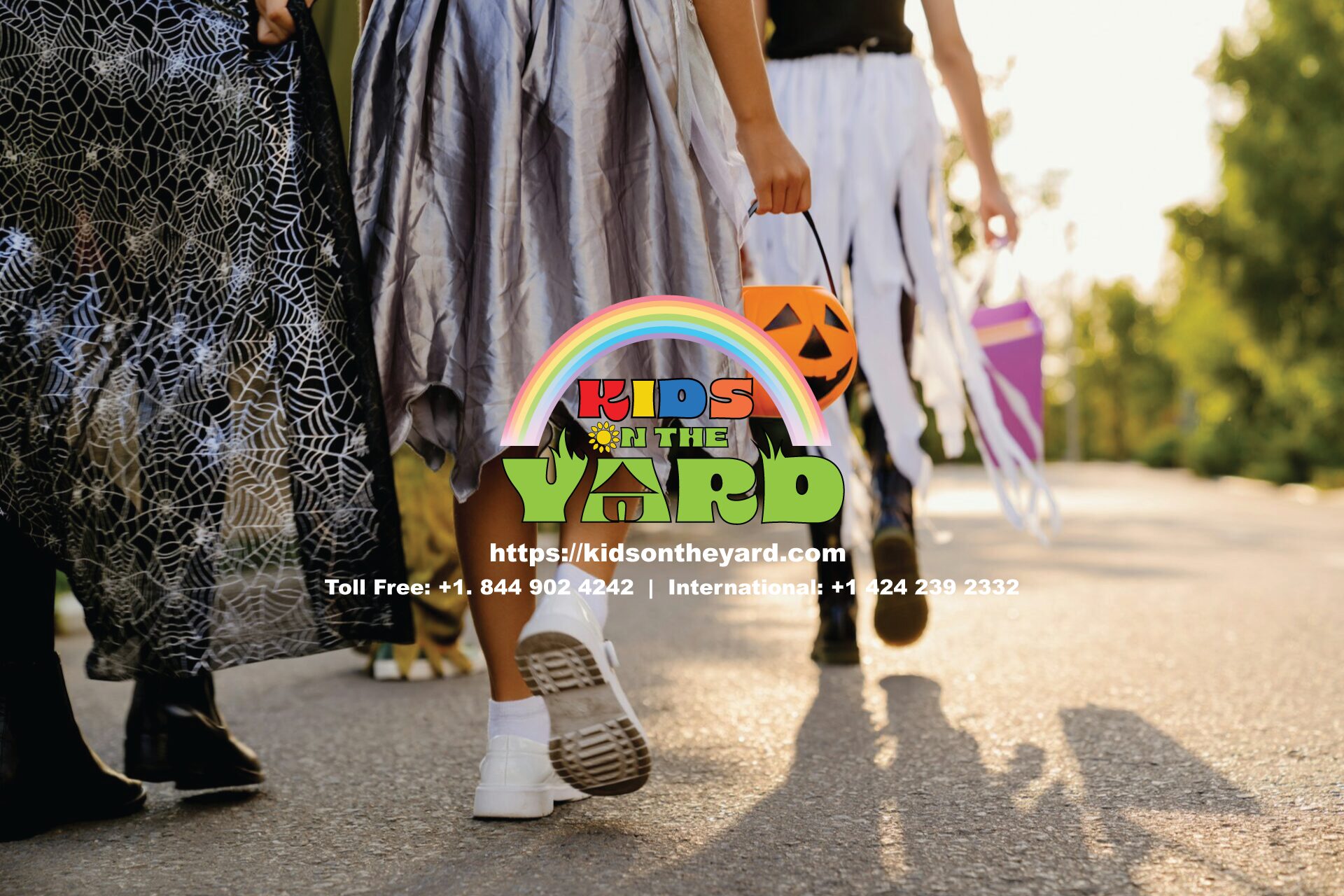
The Importance of Halloween Safety
While Kids on the Yard encourages independence, it’s important to prioritize Halloween safety. As the night unfolds, the chill of winter starts to settle in, so remember to dress warmly and ensure you’re visible to passing cars.
Choosing a costume can sometimes feel overwhelming, with so many ideas flying around. To help, we’ve listed a few simple and comfortable costume options you and your child might enjoy.
Stay safe and have fun embracing the creativity and tradition that Halloween brings!
Trick-or-Treating Safety
Trick-or-Treating Safety for Grades 1-3
- Adult supervision is essential for young trick-or-treaters. Always accompany children to ensure their safety and well-being.
- Use reflective tape on costumes and bags to increase visibility to drivers. Flashlights or glow sticks can also help light the way and make children more visible.
- Choose flame-resistant costumes that fit well to prevent trips and falls. Avoid masks that limit vision; face paint is a safer alternative.
- When crossing streets, use corners and pedestrian signals. Teach children to look both ways before stepping off the curb.
- Visit well-lit houses and avoid dark areas. Inspect candy before letting children eat it, discarding any unwrapped or suspicious items.
Teach children basic safety rules: no running across streets, no entering unfamiliar homes, and staying close to the group. Establish check-in points throughout the night.
Costume Safety
When selecting Halloween costumes, prioritize flame-resistant materials to minimize risks around open flames from decorations.
Ensure costumes fit properly to prevent trips and falls. Avoid outfits that are too long or shoes that don't fit well.
Instead of masks that can obstruct vision, consider using face paint. This allows children to see clearly while still enjoying a creative costume.
Street Safety
- When trick-or-treating, stick to sidewalks whenever possible. If there are no sidewalks, walk at the far edge of the road facing traffic.
- Cross streets at corners or intersections with pedestrian signals. Wait for the "walk" signal and look left, right, and left again before crossing.
- Cross in groups to increase visibility to drivers. Avoid crossing between parked cars or from driveways and alleys where visibility is limited.

Classic Costume Ideas
Witches, ghosts, and black cats are timeless Halloween costume choices.
- Witches, with their pointed hats and broomsticks, allow kids to explore magic and mystery.
- Ghost costumes are simple yet effective, often made with just a white sheet.
- Black cat costumes are easy to create with cat ears, a tail, and face paint for whiskers and a nose.
These classic costumes connect to Halloween's traditions and are simple to make. They tap into the holiday's themes of mystery and the supernatural, making them perennial favorites for children and parents alike.
Popular Character Costumes
- Superhero costumes like Batman and Wonder Woman are popular choices, allowing kids to embody brave and powerful characters.
- Fairy tale characters such as Cinderella and Peter Pan offer enchanting options that spark imagination.
- Animated characters like Elsa from "Frozen" and Buzz Lightyear from "Toy Story" remain top picks, appealing to children with their memorable stories and traits.
These character costumes let children step into the roles of their favorite heroes and heroines, creating magical Halloween experiences.
DIY Costume Ideas
Creating DIY costumes can be a fun and creative Halloween activity. Here are some simple ideas:
- Robot: Use a cardboard box covered in aluminum foil for the body. Add details with construction paper or bottle caps. Complete the look with silver clothing.
- Animal: Start with a solid-colored outfit. Add felt ears on a headband and a tail. Use face paint for features like whiskers or noses.
- Superhero: Design a unique emblem and attach it to a cape. Use matching clothing for the suit and add accessories like wristbands or a mask.
These DIY projects encourage creativity and can be a great family activity.

History of Halloween
Halloween originated from the ancient Celtic festival of Samhain, marking the end of harvest and beginning of winter. People wore costumes to ward off spirits.
In the 8th century, the Christian holiday All Saints' Day was established on November 1st, with the evening before becoming All Hallows' Eve, later shortened to Halloween.
European immigrants, especially Irish fleeing the potato famine, brought Halloween traditions to America. The practice of carving turnips shifted to using pumpkins, creating the Jack-o'-Lantern tradition.
Modern trick-or-treating may have roots in the medieval practice of "souling," where people exchanged food for prayers.
Today, Halloween blends historical traditions with contemporary celebrations, featuring costume parties, haunted houses, and trick-or-treating.
- History.com Editors. Halloween: Origins, Meaning & Traditions. History.com. Published October 18, 2022.
- National Retail Federation. Halloween Participation Returns to Pre-Pandemic Levels with Record Spending. National Retail Federation. Published September 19, 2022.
- American Academy of Pediatrics. Halloween Safety Tips. HealthyChildren.org. Updated October 5, 2022.
Frequently Asked Questions
Tags
Content Disclaimer
The content published on this page is for general educational and informational purposes only. Articles, opinions, and recommendations shared by authors, contributors, parents, educators, students, and professionals reflect their own views and experiences and do not necessarily represent the positions, strategies, or opinions of Kids on the Yard.
Kids on the Yard does not endorse or recommend any specific medical treatments, therapies, vaccines, medications, curricula, educational products, or instructional methods mentioned in this or any article. Any health-related information is provided for awareness only and should not be used as a basis for diagnosis, treatment, or medical decisions. Always consult a qualified healthcare provider for medical concerns.
Educational opinions, curriculum reviews, and teaching strategies discussed in articles are general in nature. Parents and guardians are solely responsible for evaluating and selecting educational approaches appropriate for their children.
Nothing in this article constitutes legal, financial, medical, or other professional advice. For specific guidance in any of these areas, please consult an appropriately licensed professional.
Kids on the Yard assumes no liability for actions taken based on the content of any article.
Related Articles

History and Evolution of Halloween: Fun Facts For Everyone
Dive into the rich history of Halloween, from its Celtic roots to modern traditions. Learn how past cultures shaped today's celebrations for families ...