Essential Eye Health Tips for Teens: How to Protect Your Vision
Empower your teen with essential eye health tips. Learn how to protect their vision from screen time and sports injuries while supporting their future aspiratio

As a teenager, it’s easy to put eye health on the back burner. However, taking care of your eyes is essential for daily life, mental well-being, and even your future career.
Screen Time and Eye Health
Extended screen time can lead to digital eye strain, which can cause symptoms like headaches, blurred vision, and dry eyes. Excessive screen use may also affect sleep patterns and overall well-being. To reduce strain, follow the 20-20-20 rule: every 20 minutes, take a 20-second break to look at something 20 feet away. Adjust screen brightness and position to minimize glare, and keep devices at arm's length and eye level.
Eye Injuries in Sports
Participating in sports like basketball, baseball, or soccer carries the risk of eye injuries. Protective eyewear, such as sports goggles certified by organizations like ASTM, can help prevent these injuries. Think of them as helmets for your eyes.
Vision and Career Choices
Vision plays a crucial role in many careers. Good eyesight is valuable whether you aspire to be a pilot, artist, or scientist. Careers in graphic design require discerning minute details and color differences. Regular eye exams and appropriate corrective lenses can support these career aspirations.
Building Healthy Habits
- Prioritize regular eye exams to detect potential issues early
- Eat a diet rich in eye-friendly nutrients like Vitamin A, omega-3s, and antioxidants
- Limit prolonged screen time
- Encourage outdoor activities
Eye Injuries in Sports
Sports activities come with potential eye injury risks. Fast-moving balls or accidental collisions can result in contusions or more severe injuries like detached retinas or fractures to the bones around the eye. These injuries can lead to extensive recovery time.
Protective eyewear is crucial for preventing such injuries. Sports goggles that meet ASTM standards provide reliable protection. Ensure a snug fit and compatibility with helmets for maximum effectiveness. Even in seemingly less contact-heavy sports, like softball or tennis, eye protection during practices and games is important.
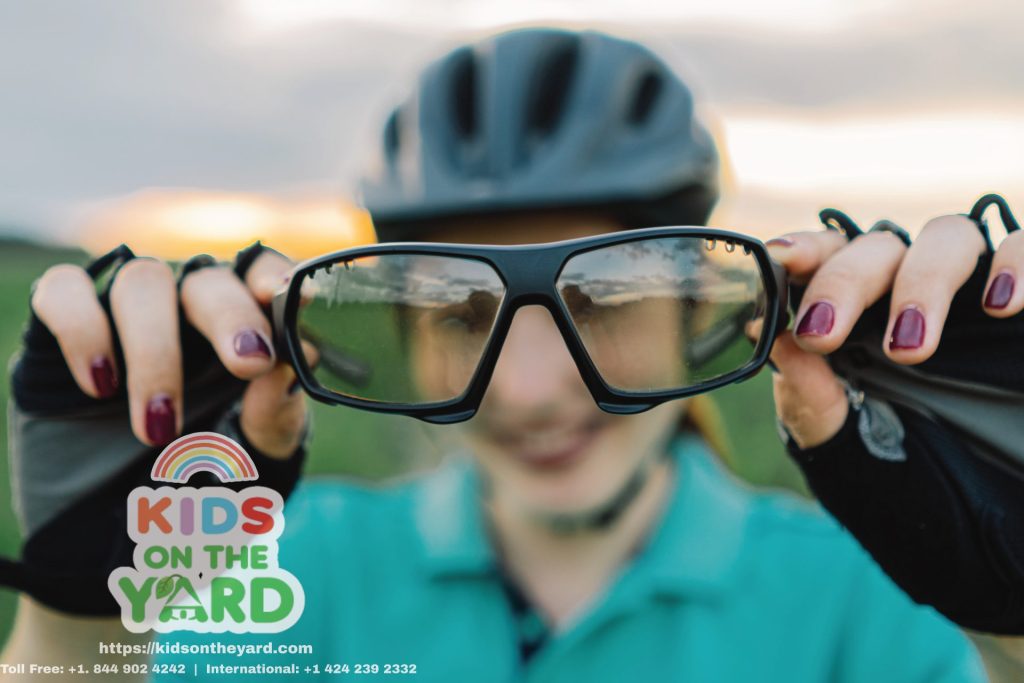
Making protective eyewear a standard part of athletic gear helps maintain focus on the game rather than on preventable eye injuries.
Vision and Career Choices
Many careers rely heavily on visual abilities. Pilots need precise depth perception and quick adaptation to changing light conditions. Artists depend on sharp visual acuity to discern subtle color shifts and intricate details. Chefs require good eyesight to distinguish between different ingredients accurately.
In technology, developers and designers spend significant time in front of screens, making eye health crucial for maintaining productivity. Many professions not only benefit from good eye health but require it.
Investing in eye care from a young age establishes lifelong habits that support career aspirations. Regular eye exams serve as checkpoints in your career journey, helping you prevent potential eye health issues.
Prioritizing eye health and incorporating simple habits into daily life can help maintain clear vision for years. Eyecare is a continuous practice that supports personal well-being and professional goals.
- American Academy of Ophthalmology. Eye Injury Prevention.
- Centers for Disease Control and Prevention. Diabetes in Youth.
- American Optometric Association. Recommended Eye Examination Frequency for Pediatric Patients and Adults.
Frequently Asked Questions
Tags
Content Disclaimer
The content published on this page is for general educational and informational purposes only. Articles, opinions, and recommendations shared by authors, contributors, parents, educators, students, and professionals reflect their own views and experiences and do not necessarily represent the positions, strategies, or opinions of Kids on the Yard.
Kids on the Yard does not endorse or recommend any specific medical treatments, therapies, vaccines, medications, curricula, educational products, or instructional methods mentioned in this or any article. Any health-related information is provided for awareness only and should not be used as a basis for diagnosis, treatment, or medical decisions. Always consult a qualified healthcare provider for medical concerns.
Educational opinions, curriculum reviews, and teaching strategies discussed in articles are general in nature. Parents and guardians are solely responsible for evaluating and selecting educational approaches appropriate for their children.
Nothing in this article constitutes legal, financial, medical, or other professional advice. For specific guidance in any of these areas, please consult an appropriately licensed professional.
Kids on the Yard assumes no liability for actions taken based on the content of any article.
Related Articles
Nutrition and Learning: Tips to Keep the Mind and Body Resilient
Unlock your child's potential with key nutrition strategies. Explore essential nutrients that support brain development and enhance learning abilities...