Navigating Emotional Outbursts - Part 1
Crying is a normal emotion at any age, especially when overwhelmed by intense feelings such as stress, anger, fear, or joy. However, some kids cry more than others.

Part One focuses on Why Children Experience Emotional Outbursts and How to Cope.
Emotional outbursts are rapid changes in emotional expressions where exaggerated or intense emotions and feelings occur.

Crying is a normal emotion at any age, especially when overwhelmed by intense feelings such as stress, anger, fear, or joy. However, some kids cry more than others. You may also notice that the same kids get easily triggered into anger, frustration, or excitement compared to their peers. Such children are said to have emotional outbursts.
Some of the significant causes of regular emotional outbursts among children include:
Attention-Deficit Hyperactivity Disorder (ADHD):
Studies show that majority of kids who present severe emotional outbursts also fit the ADHD criteria. Most ADHD symptoms, including the inability to focus, lack of patience, and inability to tolerate boredom, can trigger aggression. This means that you will have to treat your child's ADHD for them to overcome emotional outbursts.
Anxiety:
Anxiety is a significant contributor to emotional outbursts among children. A child with anxiety issues may overreact with major emotional outbursts to any situation that provokes stress or anxiety. Children with trauma and neglect history or learning disabilities may also become defensive and aggressive when confronted by painful or uncomfortable situations.
Learning disabilities:
If your child keeps on acting out during homework or school, they likely have an undiagnosed learning disability. A child with a learning disorder may quickly become irritable or frustrated during learning. Then, they may start a conflict with other kids or create a situation to divert from their real issue!
Autism:
A child with autism is prone to regular emotional outbursts. Children with autism tend to be more rigid. As such, they don’t appreciate sudden changes. Any unexpected change sets them off, and the fact that they cannot communicate effectively, they end up having emotional outbursts.
Sensory Processing Problems:
Things that may seem normal can be overwhelming to an autistic or ADHD child. For example, crowded places, noise, or too much heat can cause a child with sensory challenges, stress or anxiety, and eventually inconsolable emotional outbursts.
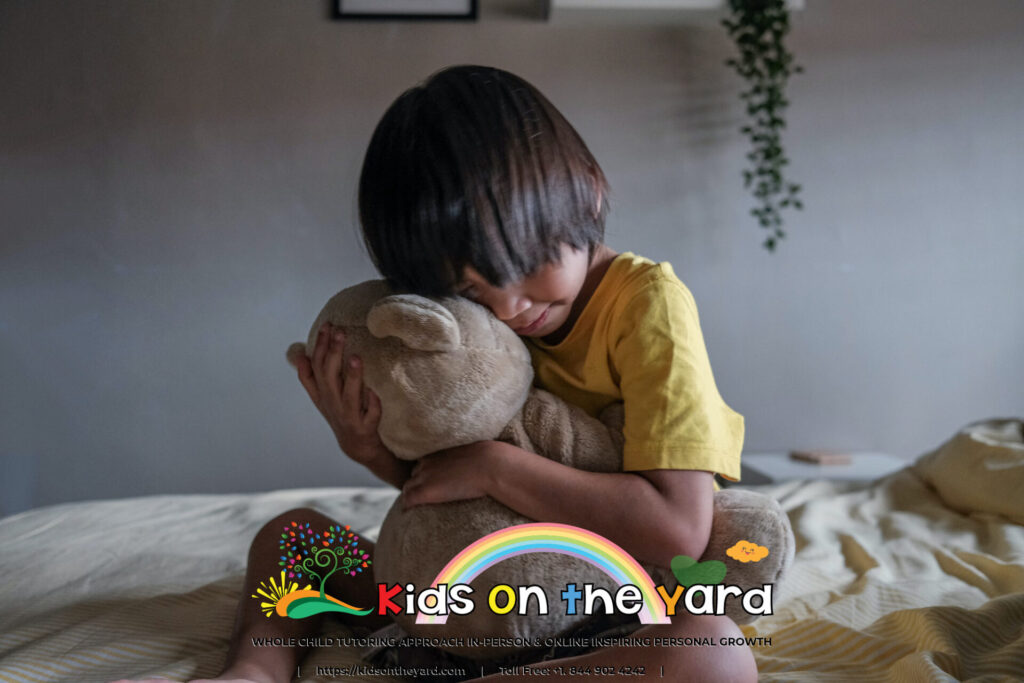
How to cope with your Child’s Emotional Outbursts:
Remain Calm:
Listen calmly to your child’s tantrums and gauge the severity level. Realize that extreme emotional outbursts can be a danger to your child and the people around them. Handle the situation calmly to educate your child on how to handle challenging situations. By modeling emotional control, you help your child also to calm down.
Be calm but firm!
The worst you can do for a child with emotional outbursts is to give in to their demands. Unfortunately, many parents give in to their children's demands to end the tantrum. This only paves the way to more dramatic episodes in the future since the child realizes that they will always get what they want. Discussing proactive ways to deal with big emotional triggers with your child sets the stage for more success in the future.
Reward positive anger expressions:
Teach your child anger management skills and reward them whenever they express their anger positively. Compliment how they handled an issue in the past and encourage them to maintain that behavior.
Concluding Thought:
Regardless of the cause, clinicians believe that emotional outbursts can be managed when we understand their triggers and strategize how to alter the environment to minimize the incidences. Parents play a significant role in changing their children's environment to reduce incidences of anger. One of the most effective ways of modeling good behavior and self-control of your child is by showing them you are in control.
Remember, learning to manage emotional outbursts requires many skills and awareness that your child could still develop. So, besides being patient and calm, you may need to offer your child extra support to handle their emotional outbursts.
We at Kids on the Yard can help you to support your child through our coaching programs and with the support of our team of experts. Learn More about our SEL Programs and Life Coaching programs for Kids and Beyond by contacting us at 844-902-4242 Toll-Free.
You can also visit our website at /en/coaching/.
Frequently Asked Questions
Content Disclaimer
The content published on this page is for general educational and informational purposes only. Articles, opinions, and recommendations shared by authors, contributors, parents, educators, students, and professionals reflect their own views and experiences and do not necessarily represent the positions, strategies, or opinions of Kids on the Yard.
Kids on the Yard does not endorse or recommend any specific medical treatments, therapies, vaccines, medications, curricula, educational products, or instructional methods mentioned in this or any article. Any health-related information is provided for awareness only and should not be used as a basis for diagnosis, treatment, or medical decisions. Always consult a qualified healthcare provider for medical concerns.
Educational opinions, curriculum reviews, and teaching strategies discussed in articles are general in nature. Parents and guardians are solely responsible for evaluating and selecting educational approaches appropriate for their children.
Nothing in this article constitutes legal, financial, medical, or other professional advice. For specific guidance in any of these areas, please consult an appropriately licensed professional.
Kids on the Yard assumes no liability for actions taken based on the content of any article.
Related Articles

Causes of Triggered Aggression in Special Needs Teens - Part 3
Discover practical tips for addressing aggression in special needs teens. Learn how to support their growth through challenging emotional moments.