
Dyslexia Support for Parents: What You Need to Know
Did you know Dyslexia is the most common learning difference? Dyslexia affects 1 in 5 children.
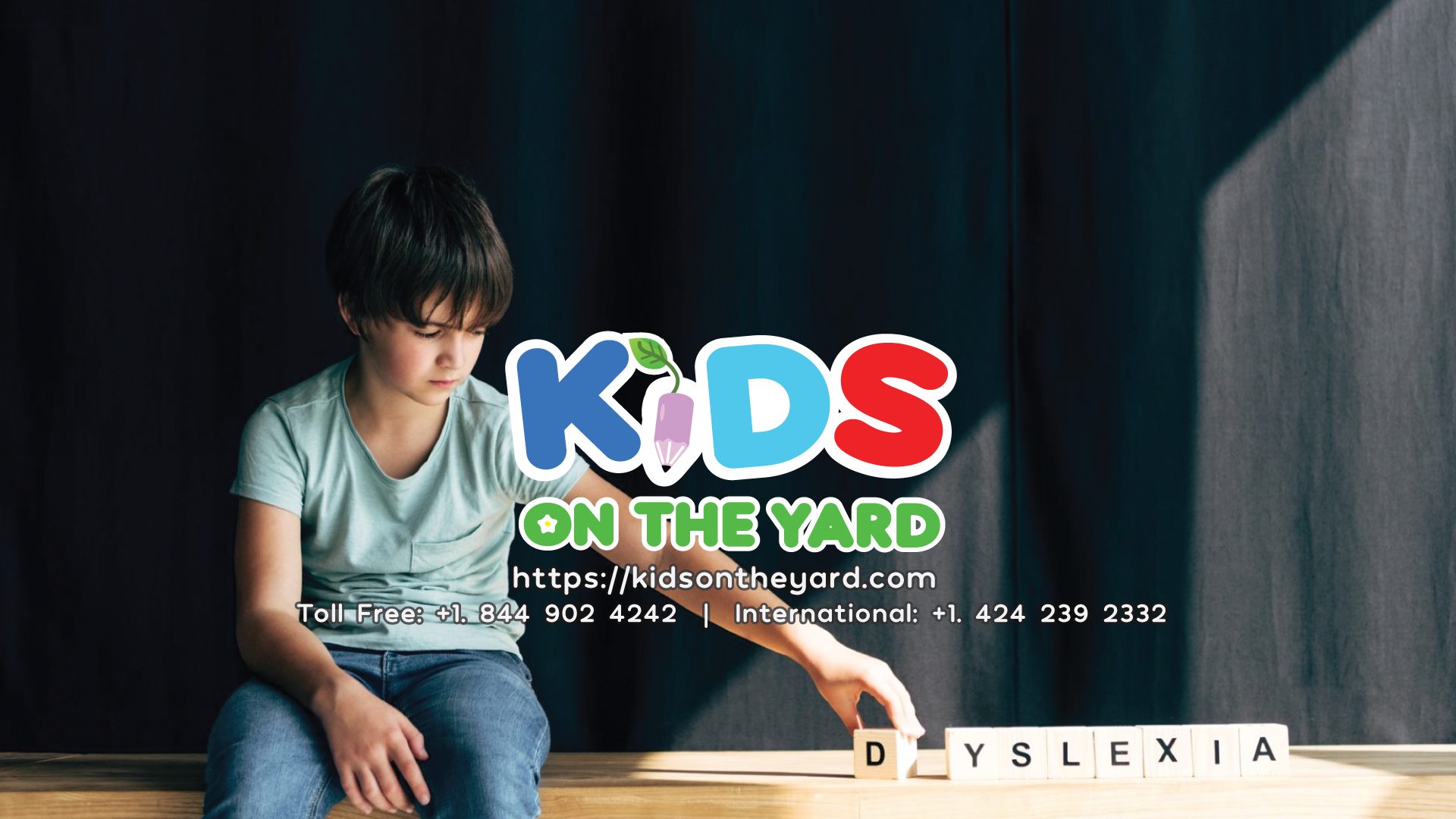
Did you know Dyslexia is the most common learning difference? Dyslexia affects 1 in 5 children.
As the school year winds down, educators are entering Individualized Education Program (IEP) season—filling their schedules with meetings that focus on reviweing and updating learning plans. But amid the excitement of Spring Break and end of year transitions, its common for families to lose sight of the resources their children need most.
For children with dyslexia, early intervention and ongoing support are essential. This is the perfect time for parents to explore tutoring, mentorship, and specialized learning strategies.
The first step is understanding the root causes of dyslexia and the powerful educational modifications available to support your child’s journey- let's start today!
Definitions and Characteristics
What exactly is dyslexia?
Dyslexia is a specific learning difference affecting reading, involving difficulties with phonological processing. It manifests as a challenge in connecting sounds to letters, often emerging as children attempt to link letters to their corresponding sounds. The root causes stem from genetic factors and the brain's neural wiring.
The genetic aspects influence the brain's structure, affecting language and sound processing. From a neurobiological perspective, dyslexia may involve irregularities in specific brain regions associated with language.
Comparing dyslexia to other learning differences like dyscalculia reveals overlapping challenges:
- Dyslexia affects letter processing
- Dyscalculia impacts number comprehension
- Both may share difficulties with working memory
Recognizing these causes opens possibilities for targeted assistance, paving the way for improved literacy outcomes.
Screening and Diagnosis
Screening and diagnosis are crucial for early identification, enabling timely interventions that can improve a child's learning experience. Assessment methods have evolved with technological advancements, offering new approaches.
AI-based methods are improving screening accuracy and accessibility, using machine learning to detect patterns that might elude human observation. Tools like the Dyslexia Screening Test or Number Sense Screener provide structured methods to identify learning obstacles.
Are you worried these tests will be mundane and boring for your child? Fear not-
These detection tools often resemble games, involving children in tasks that evaluate various literacy skills. AI algorithms analyze the child's responses, highlighting strengths and challenges. This aids identification and encourages parents to participate in the process.
Implementing intelligent screening technologies means more children can receive necessary support at an age when their neural pathways are most adaptable. Appropriate screening tools provide guidance, ensuring effective support for each child's learning journey.
Interventions and Educational Modifications
Interventions and educational modifications offer tools designed to support children with learning disabilities. Evidence-based interventions serve as the foundation for effective teaching strategies.
The Universal Design for Learning (UDL) framework ensures educational pathways are diverse, catering to different learning preferences. This flexibility allows all students, including those with dyslexia, to engage in learning activities that leverage their strengths.
Innovative practices focus on multisensory instruction, where children engage with letters through multiple senses. The effectiveness of such interventions depends on well-prepared teachers equipped with comprehensive training. The objective is to engage a vast array of learning styles.
"Evidence-based programs help children become confident, lifelong readers."
To implement these strategies effectively, resources and support are crucial. Access to ongoing professional development, specialist consultations, and modern technological tools is essential. With appropriate interventions, universal design, and well-prepared educators, children with dyslexia can thrive in their education.
Community and Family Involvement
Family and community play important roles in supporting children with dyslexia. Schools, families, and healthcare providers form an integrated support system, each contributing to addressing individual learning challenges.
Families strengthen the support system with understanding and advocacy. Parents become champions for their children, pushing for necessary resources and adapting home environments to encourage learning.
Community-based initiatives serve as vital enrichment. Workshops and informational sessions equip parents with knowledge about dyslexia, enabling active engagement in their child's education. Local initiatives can ensure equal access to resources, from lending libraries to mentorship programs.
Research supports the value of integrated, community-centered approaches, showing that collaborative engagement of families and communities improves outcomes for children with learning disabilities. By combining their efforts, they create a support network that guides children toward their potential.
Understanding dyslexia involves recognizing the interplay of genetics, brain structure, and educational strategies. By identifying these elements early and applying effective interventions, we can improve the learning journey for our children.
Our Tutoring Model
At the heart of our tutoring model is the belief that every child deserves personalized, compassionate, and consistent support—just like they would receive from a dedicated Shadow Teacher or paraprofessional. Inspired by the one-on-one attention and tailored strategies paraprofessionals provide in schools, our tutors take that same approach into every learning environment, whether at home, online, or in-person.
We pair students with tutors who build meaningful connections and understand their individual learning styles, academic goals, and emotional needs. Just like paraprofessionals, our tutors:
- Support executive function and emotional regulation
- Adapt lessons to align with IEPs, 504 Plans, or teacher feedback
- Reinforce classroom concepts through multisensory and interest-based learning
- Use positive reinforcement and strength-based strategies to boost confidence
Through our KOTY Rapport-Building Method and a fully customized learning plan, we ensure every child feels seen, supported, and empowered. Our tutoring goes beyond academics—it's about helping students thrive in all aspects of their educational journey.
- Snowling MJ, Hulme C. Annual research review: the nature and classification of reading disorders--a commentary on proposals for DSM-5. J Child Psychol Psychiatry. 2012;53(5):593-607.
- Butterworth B, Varma S, Laurillard D. Dyscalculia: from brain to education. Science. 2011;332(6033):1049-1053.
- Shaywitz SE, Shaywitz BA. Dyslexia (specific reading disability). Biol Psychiatry. 2005;57(11):1301-1309.
Tags
Content Disclaimer
The content published on this page is for general educational and informational purposes only. Articles, opinions, and recommendations shared by authors, contributors, parents, educators, students, and professionals reflect their own views and experiences and do not necessarily represent the positions, strategies, or opinions of Kids on the Yard.
Kids on the Yard does not endorse or recommend any specific medical treatments, therapies, vaccines, medications, curricula, educational products, or instructional methods mentioned in this or any article. Any health-related information is provided for awareness only and should not be used as a basis for diagnosis, treatment, or medical decisions. Always consult a qualified healthcare provider for medical concerns.
Educational opinions, curriculum reviews, and teaching strategies discussed in articles are general in nature. Parents and guardians are solely responsible for evaluating and selecting educational approaches appropriate for their children.
Nothing in this article constitutes legal, financial, medical, or other professional advice. For specific guidance in any of these areas, please consult an appropriately licensed professional.
Kids on the Yard assumes no liability for actions taken based on the content of any article.
Related Articles

IEP Accommodations: 3 Powerful Tips to Talk to Teachers
Explore powerful tips for parents on engaging teachers about IEP accommodations. Build relationships, set expectations, and enhance your child's educa...

3 Excellent IEP Meeting Prep Tips for Parents
Preparing for an IEP meeting can feel overwhelming. Learn expert strategies to help you advocate effectively for your child's educational success.

Empowering Neurodiverse Students: Effective Strategies for Supporting Autism and Inclusive Education
Empower your child with Autism through effective educational strategies. Discover tailored methods to create an inclusive learning environment for neu...