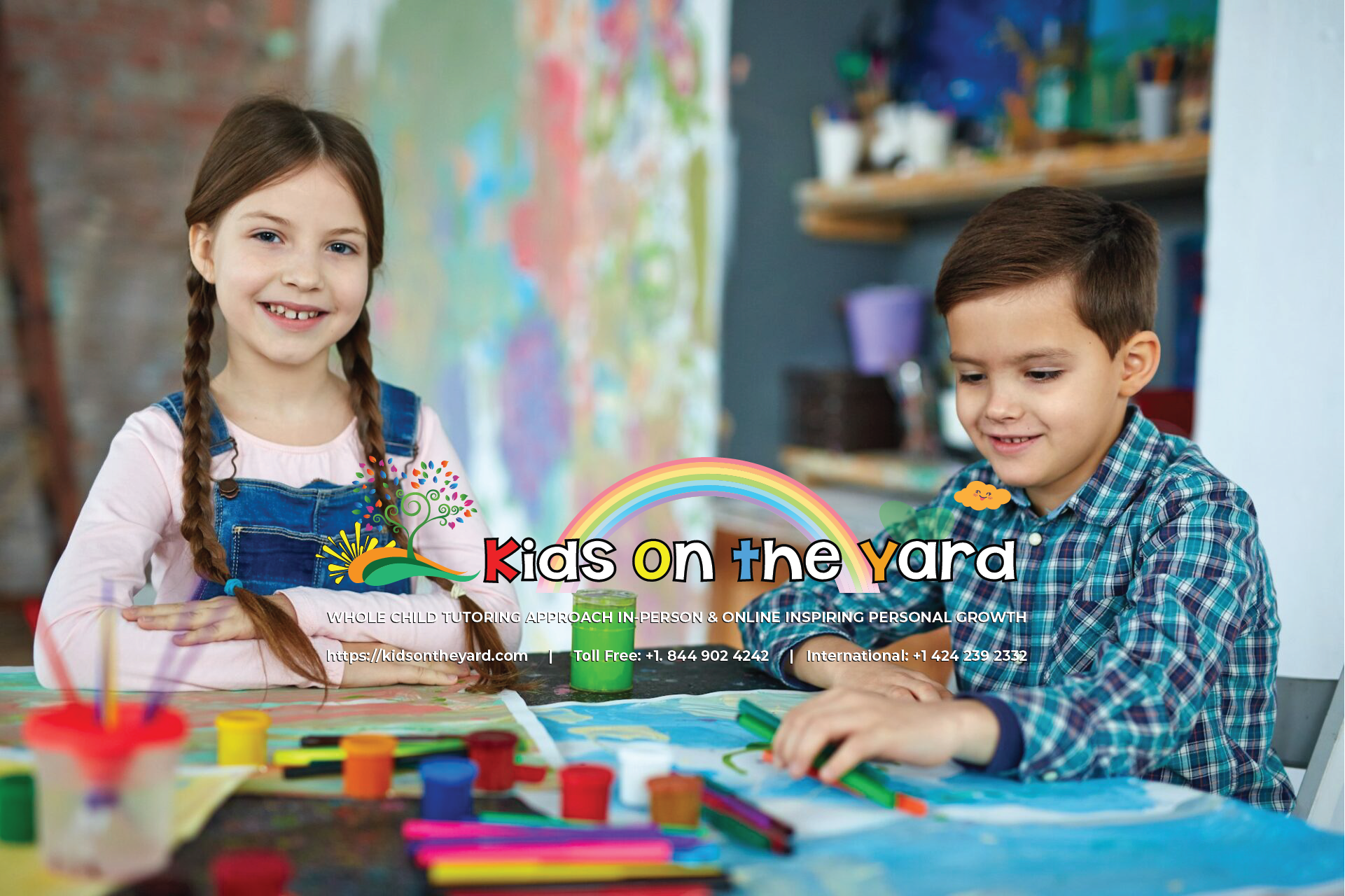
Effective Tips and Activities to Improve Your Kids Active Listening Skills
Enhance your child's listening abilities with effective techniques and engaging activities. Discover how to foster communication skills they’ll use for life.
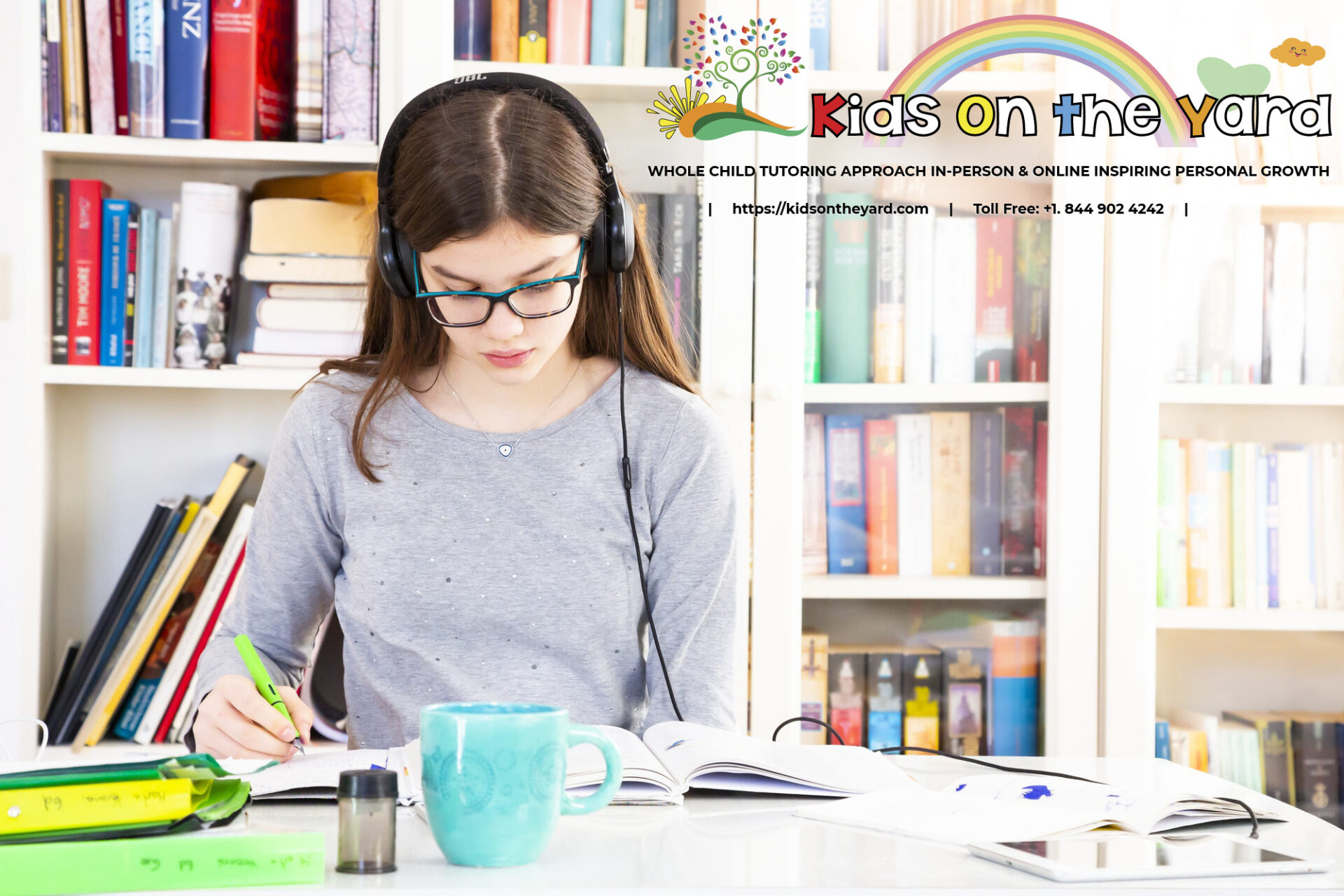
“The most basic of all human needs is the need to understand and be understood. The best way to understand people is to listen to them.” –Ralph G. Nichols
Do you find yourself yelling now and then to get your children's attention? Are there times you are talking to yourself since your child's attention keeps drifting to other things? If you are familiar with these situations, you are not alone. Most parents feel frustrated due to their children's poor listening abilities. Before giving you tips and activities to improve your child’s functional listening abilities, this article shall explain what active listening is and why it is essential.
What is Active Listening?
Active listening is a careful listening technique where people give full attention to a speaker and try to understand the message wholly. This technique is expressed through both verbal and nonverbal cues. It involves remembering, positive reinforcement, nodding and smiling, maintaining focus, and positive reinforcement.
Why is Active Listening Important?
Active listening is a vital skill among kids since it helps them build excellent communication skills applicable throughout their lives. It also helps them listen efficiently and effectively and understand questions better. Active listening also makes kids better communicators, more resourceful, and have fewer misunderstandings with people around them.
Tips to Improve Your Kid's Active Listening
BE A GOOD LISTENER:
If you want your child to develop active listening skills, you will have to practice the same. Please pay close attention to your child when they are talking to you about something without interrupting them. Whether or not your child's talk is relevant, respond and react to it. You can also repeat some of the things your child is telling you, nod your head and maintain eye contact as a way of showing interest and understanding. Elaborating more on their points also indicates your interest in what they are saying.
NOTE: Kids learn by imitating adult behavior. As such, model active listening skills with them and with other people; they will ape your behavior.
HAVE A CONVERSATION WITH THEM:
Try to explain what you are doing to your children in a manner that they can easily understand. For example, if you are in the kitchen, clarify to them making a meal. Ensure that you use simple language when talking to them. Discuss your day at work and ask about their day at school. Please encourage them to get to detail by asking them questions and seeking clarifications.
BE BRIEF AND PRECISE WHEN TALKING TO THEM:
If you want to maintain your child’s attention, avoid beating around the bush! You can only hold your child’s attention by not over-explaining instructions to them. Be short and precise when giving them duties or when telling them what you expect of them. You can ask them to repeat instruction after you as a way of improving their listening abilities and enhancing their understanding.
LISTEN FOR TOTAL MEANING:
Every message comprises two components: The content and the underlying attitude and feeling. Both elements are essential since they shape the meaning of the message. Ensure you understand your child's emotions when communicating since the real message is sometimes is not in the content but instead in the feeling. Practicing these steps with their child will improve their listening skills too.
Activities to Improve Your Kid’s Active Listening Skills
LISTEN TOGETHER
To improve active listening in your child, establish effective listening skills in them. Provide them attractive listening cues to capture their attention. For example, you can get audiobooks and listen together. In between, pause the audio and discuss things you have learned in the book. You can also use music and rhythms that give dancing commands to improve your child's listening skills.
PLAY GAMES
Engage your child in games that involve active listening. For example, the "story chain" game requires a person to continue a story from where the previous one left. Such games can help your children comprehend, listen, and respond effectively. There are also games where you can give a command to your child. In such a game, kids learn to be extra attentive before taking action.
INTRODUCE DIRECTION-ORIENTED ACTIVITIES
Direction-oriented activities can involve gardening, cooking, and baking, among other activities involving verbal instructions. Children have to listen keenly to execute the proper action in such activities.
TAKEAWAY:
Children struggle to process lengthy or uninteresting information. As such, continually support and engage them in a fun way. What’s more? Communication is a two-way street! So, if you want your kids to understand you better, make some effort to understand them too!
A Kids on the Yard, we are determined to empower the 21st child and parent. Our team of educators can help to improve your child's active listening skills. Contact us for inquiries or further insight.
Content Disclaimer
The content published on this page is for general educational and informational purposes only. Articles, opinions, and recommendations shared by authors, contributors, parents, educators, students, and professionals reflect their own views and experiences and do not necessarily represent the positions, strategies, or opinions of Kids on the Yard.
Kids on the Yard does not endorse or recommend any specific medical treatments, therapies, vaccines, medications, curricula, educational products, or instructional methods mentioned in this or any article. Any health-related information is provided for awareness only and should not be used as a basis for diagnosis, treatment, or medical decisions. Always consult a qualified healthcare provider for medical concerns.
Educational opinions, curriculum reviews, and teaching strategies discussed in articles are general in nature. Parents and guardians are solely responsible for evaluating and selecting educational approaches appropriate for their children.
Nothing in this article constitutes legal, financial, medical, or other professional advice. For specific guidance in any of these areas, please consult an appropriately licensed professional.
Kids on the Yard assumes no liability for actions taken based on the content of any article.
Related Articles
The Eisenhower Matrix: Excellent Ways to Gain Structure Through Categorization and Prioritization
The Eisenhower Matrix is a powerful tool for parents to help their children prioritize tasks and manage time effectively, enhancing both learning and ...