Top 5 areas students need a tutor to overcome challenges in school
Every child faces unique challenges in their education. Discover the top five areas where a tutor can make a significant difference in your child's academic jou
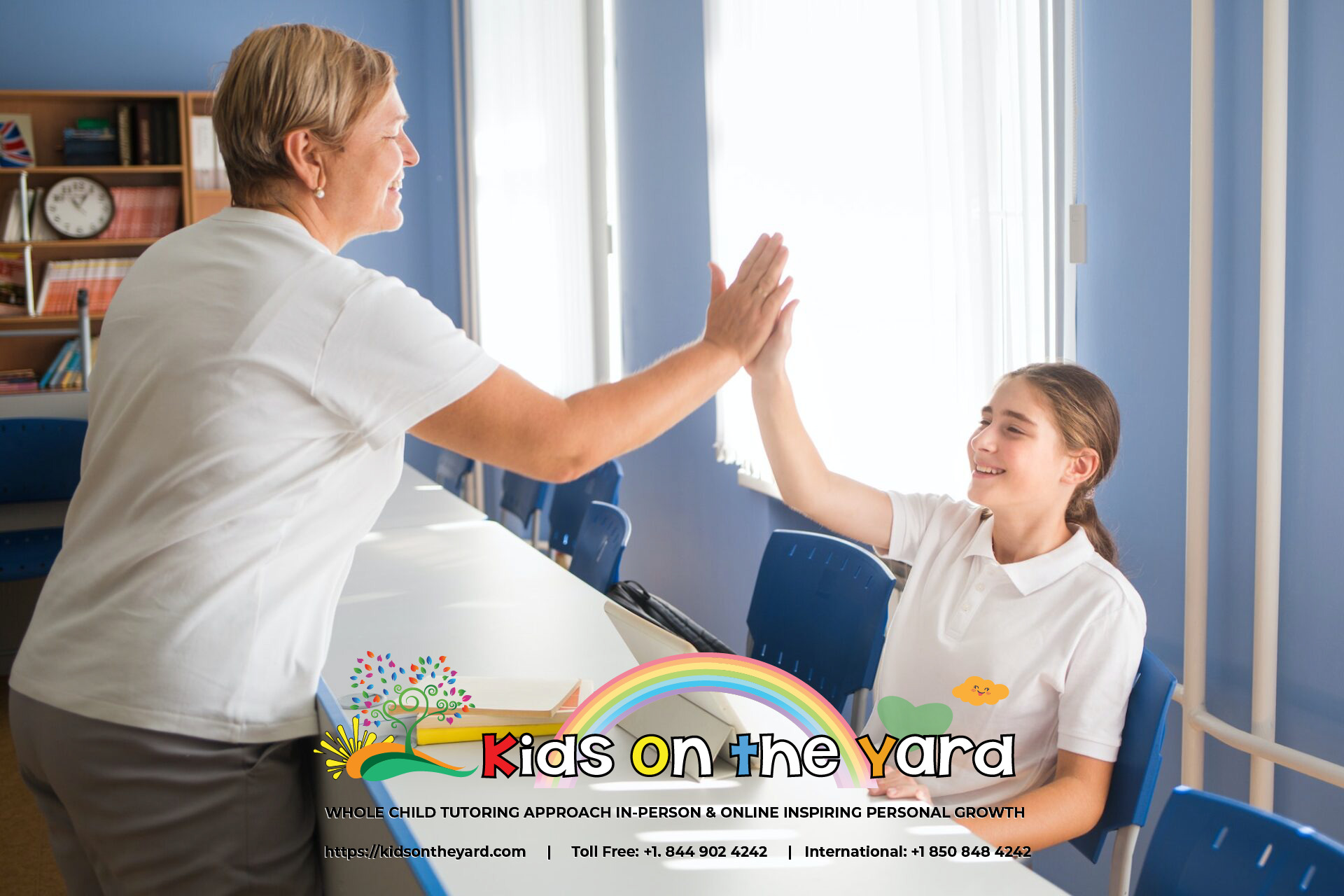
It is the dream of every parent to see their children excel in school and life. Most parents want their children to perform well in school because of the link between good grades with future opportunities. However, about 34% of all school-aged children today require additional educational support after school for varying reasons. This number is relatively high, unlike in the past when parents only enrolled underperforming children for tutoring. Besides improving your child’s performance and confidence, tutoring helps children deal with shortcomings in specific subjects and overcome learning gaps.
Let us explore some common challenges a tutor can help your child overcome in school.
The Challenge to Understand Foundational Concepts
One significant role of any classroom is to assist students in internalizing major theories and facts of the field. Students must understand basic concepts; otherwise, evaluating and applying complex concepts will be hard. Foundational concepts are the basis of any learning; without them, your child struggles to integrate new concepts and skills. Tutors help your child solidify a foundational understanding of the course concepts or material and connect them with their current learning. At Kids on the Yard, we use our personalized team approach to gauge your child’s understanding of foundational concepts and eliminate learning gaps. This strategy translates to more classroom confidence and better performance.
Lack of Focus Challenge
It is common for children to lose focus in class, especially when they view an exercise as complex or challenging. On the other hand, children struggle with concentration if they have Attention Deficit Hyperactivity Disorder (ADHD); ADHD is a neurodevelopmental disorder that causes children to lack concentration and focus and be hyperactive and impulsive in the classroom. The condition can affect your child's learning by forcing them to lack confidence and attention and to feel unconformable and lost in class. Tutors train children with ADHD or other focus problems to manage time, improve focus, be organized, and set better goals. One-on-one tutoring also benefits students with attention issues, providing the opportunity to use tackle, auditory and visual aids. In addition, your child's tutor can work closely with the classroom teacher to identify learning styles that can improve your child's focus.
Mental Health Challenge
Your child's underperformance is not always due to complications of the course material; sometimes, it is caused by some types of learning disabilities or mental issues such as anxiety and distress. Tutors help children with learning disabilities to develop reading, math, writing, or executive function skills. This makes them better performers and confident learners. Tutors also improve your child's performance by formulating a one-on-one relationship with them, sometimes with the help of schools and mental health experts. There are cases where your child's poor performance could result from distress or lack of happiness. In such scenarios, they require personalized care and attention that cannot be achieved in a traditional classroom. Positive reinforcement and support from a tutor can also help them overcome their mental health issues and eventually attain academic success.
Disruptive Behavior Challenge
Disruptive behavior disorder is a condition that causes children to have a series of defiant and uncooperative behavior. Children with disruptive behavior may show indifference and hostility to authority, making it hard for a teacher to teach them effectively. The behavior may require a lot of attention and time, hence the need for a tutor. A child can also express disruptive behaviors when they feel stressed out, discouraged, or frustrated by school. One-on-one tutoring sessions help such children believe in themselves and their abilities, reconnect with their educational interests, and feel accomplished.
Poor Studying Habits
Tutors can help students with poor studying habits to develop better study habits. They provide your child with reading directions and teach them to take notes, manage time and create an effective to-do list. Students use memorization, formulaic worksheets, and drills, making it hard to navigate open-minded assignments. You can help them attain problem-solving, creative writing, math, and reading knowledge by enrolling them in tutoring sessions. Tutors also help students develop better study habits, which improves their classroom confidence and enables them to work independently. Once your child develops practical study skills, doing tasks that initially seemed impossible becomes easier.
Final Thought:
At Kid on the Yard, our TUTORS are guided and mentored by Senior Educators. We evaluate your CHILD’S ACADEMIC STRENGTHS, areas of needed growth, and beliefs around their learning abilities and interests so we know exactly how to guide their ACADEMIC PROGRESS.
References
Content Disclaimer
The content published on this page is for general educational and informational purposes only. Articles, opinions, and recommendations shared by authors, contributors, parents, educators, students, and professionals reflect their own views and experiences and do not necessarily represent the positions, strategies, or opinions of Kids on the Yard.
Kids on the Yard does not endorse or recommend any specific medical treatments, therapies, vaccines, medications, curricula, educational products, or instructional methods mentioned in this or any article. Any health-related information is provided for awareness only and should not be used as a basis for diagnosis, treatment, or medical decisions. Always consult a qualified healthcare provider for medical concerns.
Educational opinions, curriculum reviews, and teaching strategies discussed in articles are general in nature. Parents and guardians are solely responsible for evaluating and selecting educational approaches appropriate for their children.
Nothing in this article constitutes legal, financial, medical, or other professional advice. For specific guidance in any of these areas, please consult an appropriately licensed professional.
Kids on the Yard assumes no liability for actions taken based on the content of any article.
Related Articles
2nd Grade Independence: Optimal Opportunities to Create Confidence
Involve your 2nd grader in everyday tasks to foster independence and build confidence. Simple strategies can lead to lasting life skills and stronger ...